

Risks of Poor Land Grading and How It Affects Your Property: Understanding Causes, Impacts, and Solutions
Proper land grading protects a property’s integrity and value. It provides stable foundations, directs surface water, supports healthy vegetation, and keeps soil in place. When grading is done incorrectly, problems such as soil erosion, foundation stress, and poor drainage follow. This article outlines the common causes, the effects on property features, and practical solutions. Finally, we explain how Stewart Brothers Grading, a specialized excavation contractor serving North Georgia, can help reduce these risks.
What Are the Common Problems Caused by Poor Land Grading?
Poor grading frequently creates costly, avoidable issues and reduces property value. Key outcomes include structural damage from uneven settlement, increased drainage problems that allow water to pool, and accelerated soil erosion that destabilises landscapes and plantings.
How Does Improper Grading Lead to Soil Erosion and Landscape Damage?
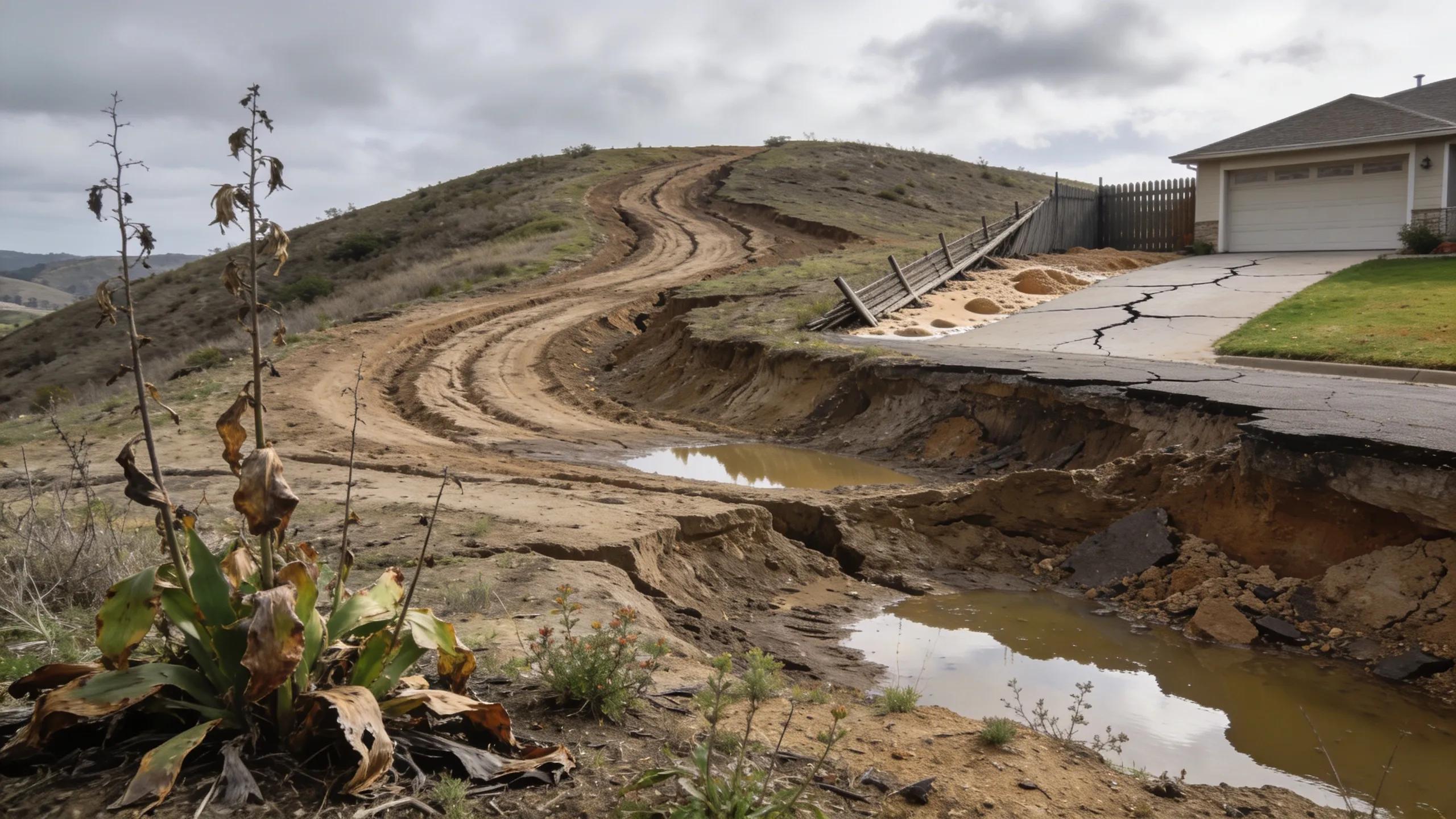
When grading does not establish proper slopes, water collects instead of draining away, which drives soil displacement and sedimentation. Standing water robs plants of nutrients and exposes soil, creating bare patches that invite further erosion. These processes reduce both the function and appearance of the landscape, making effective land grading essential for long-term property health.
What Are the Signs of Poor Land Grading on Residential and Commercial Properties?
Identifying signs of poor grading early helps owners avoid larger repairs. Common indicators include unlevel surfaces, persistent pooling of water, and visible erosion or soil displacement.
- Unlevel Surfaces: Areas of your property may appear uneven or sloped, suggesting inadequate grading.
- Pooling Water Areas: Visible water accumulation indicates poor drainage and can lead to erosion.
- Erosion Patterns: Noticeable soil displacement or visible erosion can be symptoms of grading issues.
Addressing these signs promptly lets property owners correct grading faults before they escalate into foundation or drainage failures.
How Does Poor Land Grading Impact Property Foundation and Drainage?
Poor grading undermines foundation performance and drainage systems by allowing water to flow toward structures or remain near foundations. Excess moisture increases settlement risk and can accelerate deterioration of foundation materials, raising the likelihood of expensive repairs.
What Are the Risks of Foundation Damage from Improper Drainage?
Ineffective drainage driven by poor grading can produce foundation cracks from uneven settling and permit water intrusion that weakens structural components. Early detection and remediation are essential to avoid extensive repair costs and structural failure.
How Do Grading Issues Cause Landscape Drainage Problems and Water Runoff?
Faulty grading disturbs natural drainage patterns, concentrating runoff in low areas and worsening erosion. Runoff may reach roads or neighbouring properties, creating safety hazards and potential disputes. Proper grading prevents these outcomes by directing water away from vulnerable zones.
Why Is Professional Land Grading Essential for Preventing Property Damage?
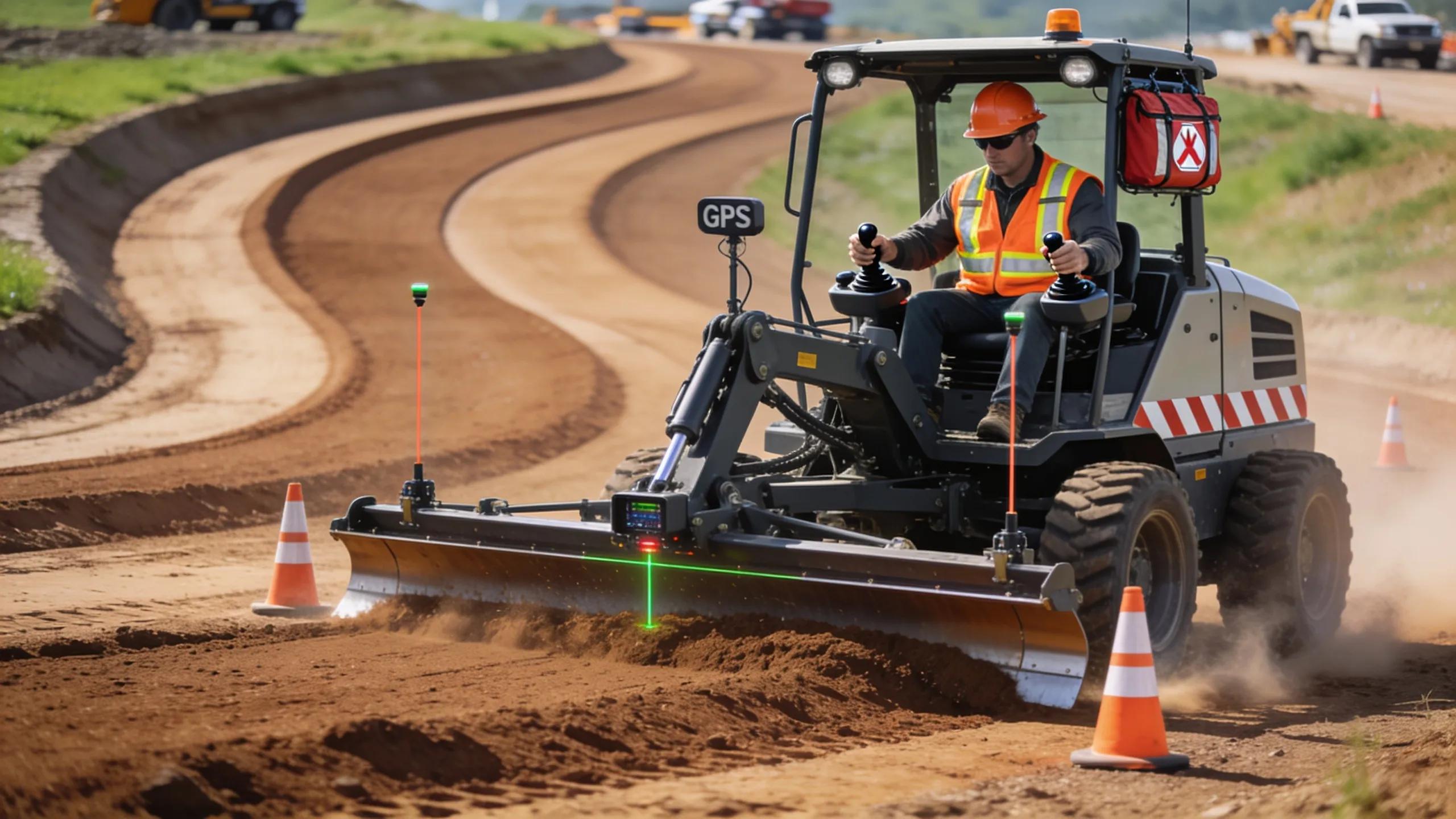
Professional grading protects property assets through accurate slope design and controlled drainage. Skilled contractors assess soil conditions, set correct grades, and install erosion control measures that preserve landscape function and reduce future maintenance needs.
How Do Licensed Excavation Services Ensure Effective Soil Stabilization?
Licensed excavation teams perform soil assessments and use proven stabilisation techniques and materials to reduce soil movement. They apply engineering principles to match methods to soil type, securing the groundwork needed for safe, lasting land use.
What Are the Benefits of Hiring a Family-Owned Local Grading Contractor?
Hiring a family-owned local contractor like Stewart Brothers Grading delivers personalised service grounded in local knowledge. Family-run firms commonly prioritise workmanship, dependable communication, and long-term client relationships, giving owners confidence in project outcomes.
How Can Stewart Brothers Grading Address Poor Land Grading Risks in North Georgia?
Stewart Brothers Grading focuses on practical excavation solutions that protect your property. They employ appropriate equipment and methods to achieve accurate grades and improve soil stabilisation, addressing the specific challenges of each site.
What Excavation and Drainage Solutions Does Stewart Brothers Offer?
Stewart Brothers Grading offers a range of excavation and drainage solutions, including:
- French Drains: Designed to divert water away from foundations and prevent flooding.
- Culvert Installations: Facilitating appropriate water flow under roads and pathways.
- Erosion Control Methods: Implementing strategic measures to prevent soil loss and maintain landscape integrity.
These solutions demonstrate a commitment to reliable drainage, soil stability, and long-term property protection in North Georgia.
What Local Regulations and Insurance Factors Affect Land Grading in North Georgia?
Local regulations and insurance requirements shape grading practices by setting safety and compliance standards. Failure to follow these rules can create legal issues, complicate insurance claims, and reduce property value.
How Do Local Building Codes Influence Proper Grading Requirements?
Building codes define grading standards that protect public safety and neighbouring properties. Adhering to these codes ensures grading is executed to minimise risk and to meet community expectations for safe site development.
What Are the Recent Trends in Property Insurance Claims Related to Poor Grading?
Insurers report an increase in claims tied to foundation and water damage linked to inadequate grading. This has led to closer scrutiny of grading compliance and a greater emphasis on preventative measures to reduce claim exposure.
What Steps Can Property Owners Take to Identify and Fix Grading Problems?
Property owners should inspect their sites regularly, especially after heavy weather, and engage qualified contractors for assessments. Timely evaluation and corrective work protect asset value and prevent escalating repair costs.
How Can You Recognize Early Signs of Grading Issues on Your Property?
Watch for shifting soil, unusual water accumulation, and foundation cracks. Regular inspections and prompt maintenance reduce the chance of severe damage from grading faults.
What Are the Cost Factors and Methods to Repair Poor Land Grading?
Repair costs depend on the problem’s scope. Common remedies include regrading, installing drainage systems, and reinforcing foundations. Investing in corrective work now typically avoids higher expenses later.
Frequently Asked Questions
What is the difference between grading and excavation in land development?
Grading shapes and slopes soil to prepare sites for construction, landscaping, or drainage, ensuring water moves away from structures and soil remains stable. Excavation removes soil or rock to form trenches, holes, or foundations. Both are distinct but complementary steps in site development and require careful planning to avoid complications.
How can property owners prevent grading issues before they occur?
Prevention starts with professional planning and routine maintenance. Hire qualified contractors to assess the site and implement appropriate drainage. Conduct periodic inspections for erosion or settlement and work with local firms familiar with regional conditions to maintain long-term stability.
What should I consider when hiring a grading contractor?
Evaluate a contractor’s experience, licensing, and knowledge of local conditions. Review customer feedback and request detailed proposals and timelines. Confirm they understand local regulations and offer clear guarantees or warranties to protect your investment.
Are there eco-friendly grading practices available?
Yes. Eco-friendly practices include minimising soil disturbance, selecting permeable materials, and designing slopes to reduce erosion. Integrating green infrastructure—such as swales and rain gardens—helps manage runoff while supporting the local ecosystem.
How can I assess the quality of finished grading work?
Check for uniform slopes and clear drainage paths. Look for standing water, visible erosion channels, or uneven surfaces. Use a level to confirm grades and compare the work with design plans. If problems appear, consult the contractor for remediation.
What impact does poor grading have on home insurance policies?
Poor grading may affect coverage when claims relate to foundation or water damage. Insurers often expect properties to meet grading and drainage standards; failure to comply can result in denied claims or increased out-of-pocket costs for homeowners.
How frequently should land grading be evaluated?
Evaluate grading regularly, and always after heavy rain or storms that may alter the site. An annual inspection is advisable to spot erosion, drainage failures, or ground shifts so owners can address issues before they worsen.
Conclusion
Recognising the risks of poor land grading is key to protecting property value and structural integrity. Proper grading reduces the chance of flooding, erosion, and foundation damage. Engage professional contractors for tailored grading solutions and consider how Stewart Brothers Grading can help preserve your property’s long-term health.