
5 Signs Your Property Needs Grading or Site Preparation: How to Identify and Act on Property Drainage Problems
Proper site grading protects your property and ensures effective drainage. Grading failures can cause flooding and foundation damage. This article explains five key signs your property may need grading or site preparation, how to identify them, and practical steps to address the issues. Early action helps avoid costly repairs and preserves property value. We also outline remedial steps and the services grading specialists provide.
Five Signs Your Property Needs Grading or Site Preparation (Focusing on Drainage Problems)
Spotting grading problems early matters. Below are five signs your property may not be properly graded for water drainage:
Standing Water
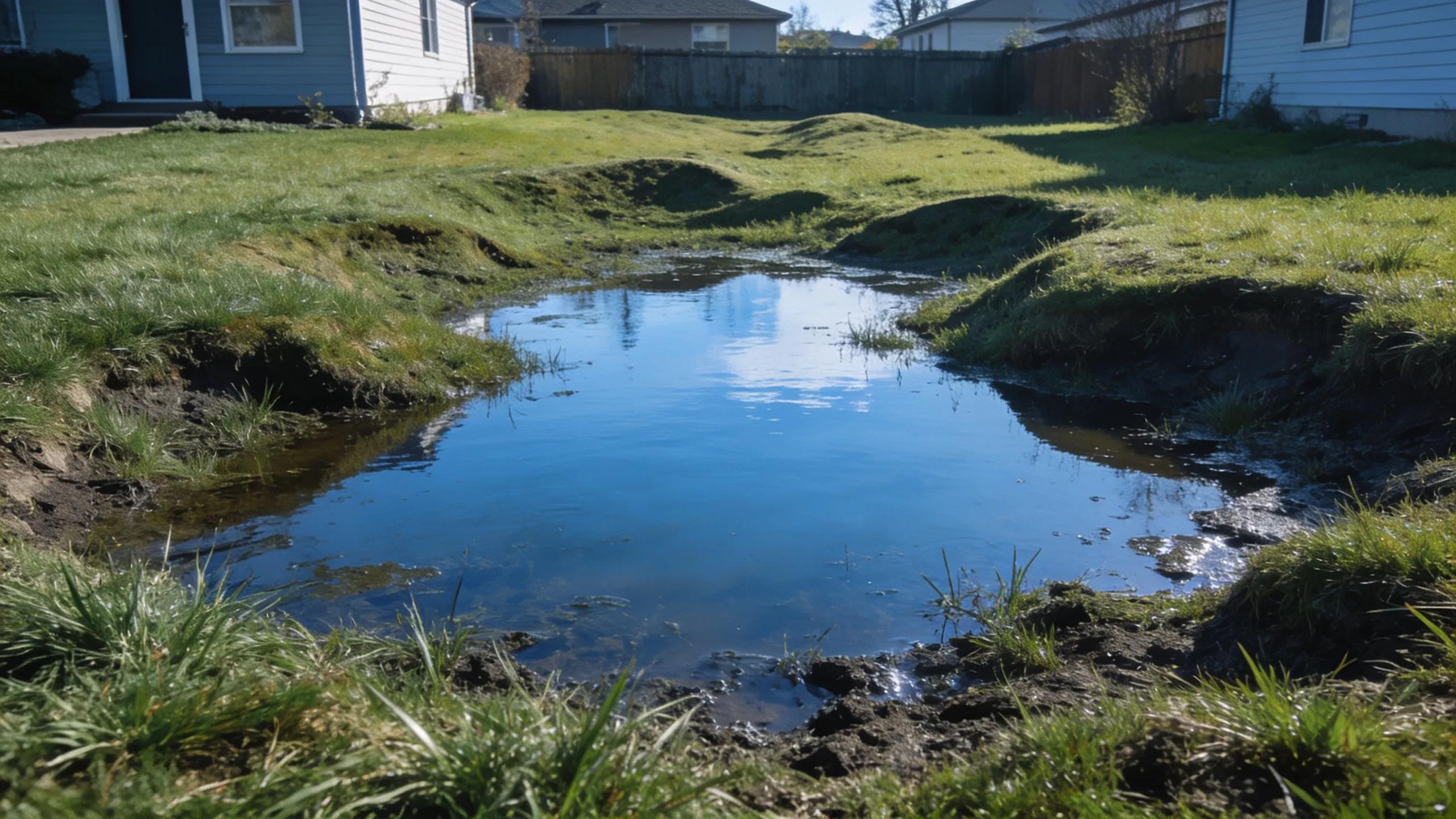
Persistent standing water indicates inadequate grading. Low spots retain water, invite pests, and worsen drainage problems. Correcting the slope helps divert water away from structures and prevents pooling.
Erosion
Erosion is a clear sign of poor grading and can undermine foundations. Soil washing away during storms reveals where slope and drainage are failing. Addressing erosion early reduces the risk of extensive damage and costly repairs.
Wet Basements or Crawl Spaces
Moisture in basements or crawl spaces often points to grading issues. Ground that slopes toward the foundation traps water, creating damp conditions that encourage mold and structural deterioration. Reviewing and correcting drainage can keep your home dry and structurally sound.
Flooding During Heavy Rain
Flooding in heavy rain signals poor grading and inadequate runoff management. Water that accumulates near the house increases the risk of expensive repairs. Implementing proper grading techniques directs runoff away during storms and protects your property.
Cracked Foundations or Walls
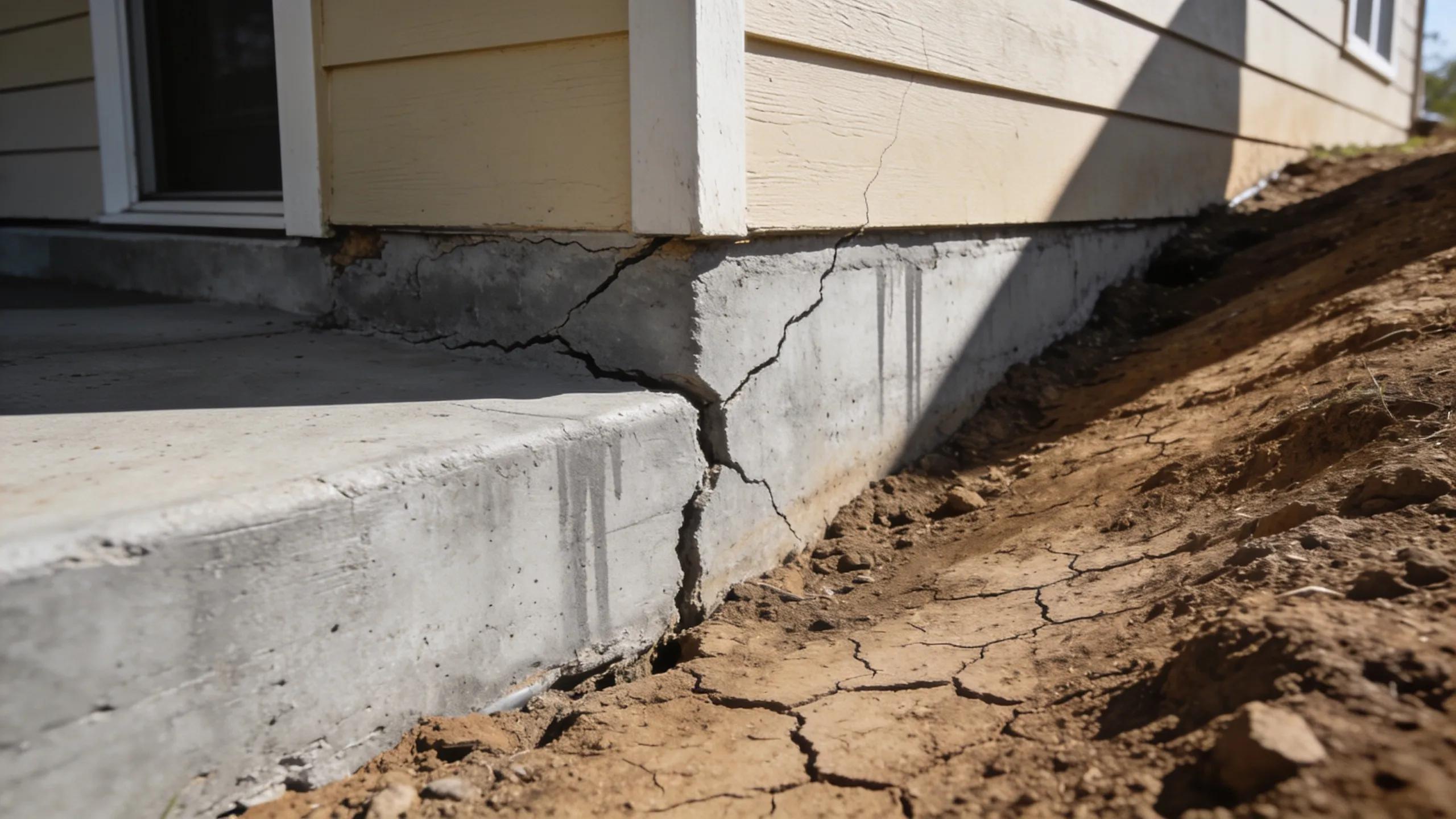
Cracks in foundations or walls can often be linked to improper grading. Water pooling at the base of the home places pressure on the foundation, causing cracks and instability. Correcting grading proactively helps preserve structural integrity.
Actionable Steps to Address These Issues
Acting promptly on grading issues saves time and money. Consider the following steps:
- Consult a Professional: Engaging a grading or excavation specialist can provide you with a comprehensive evaluation of your site.
- Regular Maintenance of Drainage Systems: Ensuring that your existing drainage systems are functioning effectively can prevent many grading-related issues.
- Implement Erosion Control Measures: Utilizing techniques such as planting vegetation or adding barriers can help manage erosion effectively.
For excavation and site-preparation needs, contact experts like Stewart Brothers Grading. Their experience helps ensure your property meets grading standards and improves drainage performance.
What Are the Top Signs of Poor Site Grading on Your Property?
Recognizing common signs enables timely intervention. The most frequent indicators include:
- Pooling Water: Water collecting in specific areas indicates grading issues that need addressing.
- Visible Erosion: The amount of soil or gravel displaced from normal positions suggests the ground isn’t properly graded.
- Frequent Water Infiltration: Water seeping into basements or crawlspaces indicates a drainage issue connected to grading.
Recognizing these signs prompts timely action and helps prevent more serious damage later.
How to Evaluate Land Slope for Proper Grading and Drainage
Assessing your land’s slope is essential to proper grading. Homeowners can use straightforward methods to evaluate slope accurately.
What Methods Can Homeowners Use to Assess Land Slope?
A simple approach is a string line and level: stretch a string between two fixed points and note height differences to reveal grading irregularities. For greater precision, use a survey level to measure slope more accurately.
How Does Correct Land Slope Prevent Erosion and Drainage Problems?
Correct slope improves drainage and reduces erosion by directing water away from vulnerable areas. Leveling low spots and applying erosion-control measures helps protect your property from water damage.
How Excavation Services Support Effective Site Preparation
Excavation services are central to improving grading and preparing a stable site. Professionals deploy techniques that enhance drainage and ground stability.
What Excavation Techniques Are Used for Land Leveling?
Common methods include cut-and-fill, which moves material from higher areas to lower ones to create a stable, even surface that promotes effective runoff.
Why Is Professional Site Preparation Essential for Property Stability?
Professional site preparation establishes correct slopes and manages runoff efficiently. Without proper grading, properties face risks that can compromise long-term stability.
What Is the Cost of Land Grading Services and How to Budget Effectively?
Knowing grading costs helps you budget accurately. Prices vary depending on several project-specific factors.
Which Factors Influence Pricing for Grading and Site Preparation?
Pricing depends on land size, grading complexity, and soil conditions. Obtain estimates from multiple providers to build a realistic budget for your project.
How Can Free Estimates and Consultations Help Planning Your Project?
Many grading specialists, including those like Stewart Brothers Grading, provide free estimates. An initial consultation clarifies your property’s needs and improves project planning.
How Do Local Regulations Affect Property Grading in North Georgia?
Local regulations shape grading practices to ensure proper stormwater and erosion management. Understanding these rules is essential for compliant and effective site work.
What Are the Key Stormwater Management Rules in Cherokee, Gilmer, and Pickens Counties?
Each county enforces specific drainage and stormwater rules. Familiarize yourself with local requirements to ensure compliance and avoid penalties. For county-specific guidance, see these resources: Cherokee County, Gilmer County, and Pickens County.
How Can Compliance Ensure Long-Term Property Protection?
Complying with local regulations reduces risk and protects your property investment. Proper compliance lowers the likelihood of future flooding or foundation problems linked to poor grading.
Frequently Asked Questions
1. How can I identify grading problems on my property?
Look for standing water, visible erosion, or moisture in basements to identify grading problems. Observe whether rainwater runs toward your home rather than away; that indicates an incorrect slope. Early detection helps prevent significant damage.
2. What steps can I take to improve drainage on my property?
Improve drainage by re-grading to direct water away from structures, cleaning or installing drains, and using landscaping to increase absorption. Grading specialists can recommend solutions tailored to your site.
3. What are the long-term benefits of proper site grading?
Proper grading increases property value, reduces the risk of flooding and foundation issues, improves landscape appearance, and minimises erosion—all of which lower the chance of costly repairs.
4. How often should I check my grading and drainage systems?
Inspect grading and drainage at least once a year and after heavy storms. Regular checks maintain system performance and help detect potential problems before they escalate.
5. Can my landscaping choices affect drainage and grading?
Yes. Plants that absorb excess moisture can help control water flow, while hardscaping like patios or driveways may redirect runoff toward your home if not planned correctly. Choose landscaping that supports proper drainage.
6. What should I look for when hiring a grading contractor?
Check credentials, experience, and customer reviews when hiring a contractor. Ensure they understand local regulations and request estimates to compare methods and materials suitable for your property.
7. Are there DIY methods for addressing grading issues?
Minor adjustments, such as creating small swales or filling low spots with soil, can be DIY. Major grading work should be handled by professionals—incorrect grading can create serious drainage problems.
Conclusion
Recognizing when your property needs grading or site preparation is essential to protect your investment and safety. Signs like standing water and erosion call for prompt action to preserve property integrity and value. Consulting grading specialists lets you address problems and improve drainage. Explore our expert services today to safeguard your home from potential damage.