What to Look for in a Gilmer County Excavating Contractor
Licensing, experience, and equipment capability top the list for Gilmer County property owners vetting excavating contractors for their upcoming projects, answering the question: What Factors Should I Consider When Choosing an Excavating Contractor in Gilmer County? Stewart Brothers Grading, a licensed North Georgia excavation company, notes that septic installs, driveways, and land clearing demand code-compliant work. Confirm family-owned accountability, decades of grading expertise, clear communication, and equipment suited to Ellijay’s terrain before signing any contract.
Key Takeaways
Excavation work forms the critical foundation phase before any tangible construction begins on projects.
Stewart Brothers Grading operates in Pickens County, Georgia, serving nearby regions like Gilmer County.
Contractors must own and operate heavy machinery necessary for proper ground preparation and excavation.
Complex or large-scale builds require contractors with proven experience handling multiphase construction project sequencing.
Excavation work forms the critical foundation phase before any tangible construction begins on projects.
Stewart Brothers Grading operates in Pickens County, Georgia, serving nearby regions like Gilmer County.
Contractors must own and operate heavy machinery necessary for proper ground preparation and excavation.
Complex or large-scale builds require contractors with proven experience handling multiphase construction project sequencing.
Is Your Contractor Licensed and Insured?
Licensing separates a trained crew from someone with a rented backhoe. A dependable excavating contractor in Gilmer County should carry proper Georgia licensing and extensive hands-on excavation experience. Stewartbrothersgrading.Com That credential protects property owners from costly mistakes on grading, septic, and land-clearing projects before a single shovel hits dirt.
Insurance matters just as much as the license itself. Homeowners planning a driveway cut, pond dig, or foundation excavation near Ellijay should confirm the crew carries general liability and worker’s compensation coverage before signing anything. Without that protection, property damage or an on-site injury becomes the landowner’s financial burden, not the contractor’s.
What Happens If a Contractor Isn’t Insured?
Uninsured excavation work shifts risk directly onto the property owner. A severed utility line, a collapsed trench wall, or an injured worker can trigger lawsuits and repair bills with no policy to absorb them. Checking insurance paperwork before the project starts guards the investment behind any build.
Verifying credentials takes minutes. Look for:
A current Georgia excavation license, not just a business card
Proof of general liability insurance covering property damage
Worker’s compensation coverage for every crew member on site
A track record serving both homeowners and small commercial property owners across the region
A current Georgia excavation license, not just a business card
Proof of general liability insurance covering property damage
Worker’s compensation coverage for every crew member on site
A track record serving both homeowners and small commercial property owners across the region
Gilmer County’s mix of new builds, additions, and rural land-clearing jobs demands crews comfortable with varied terrain. A contractor equipped to handle residential. Commercial projects across the region tends to bring broader field experience and better-maintained equipment. Stewartbrothersgrading.Com That versatility often separates a seasoned operation from a part-time one.
Skipping this check saves a few minutes upfront. It risks thousands of dollars in liability later.
Does the Contractor Know Local Soil Conditions?
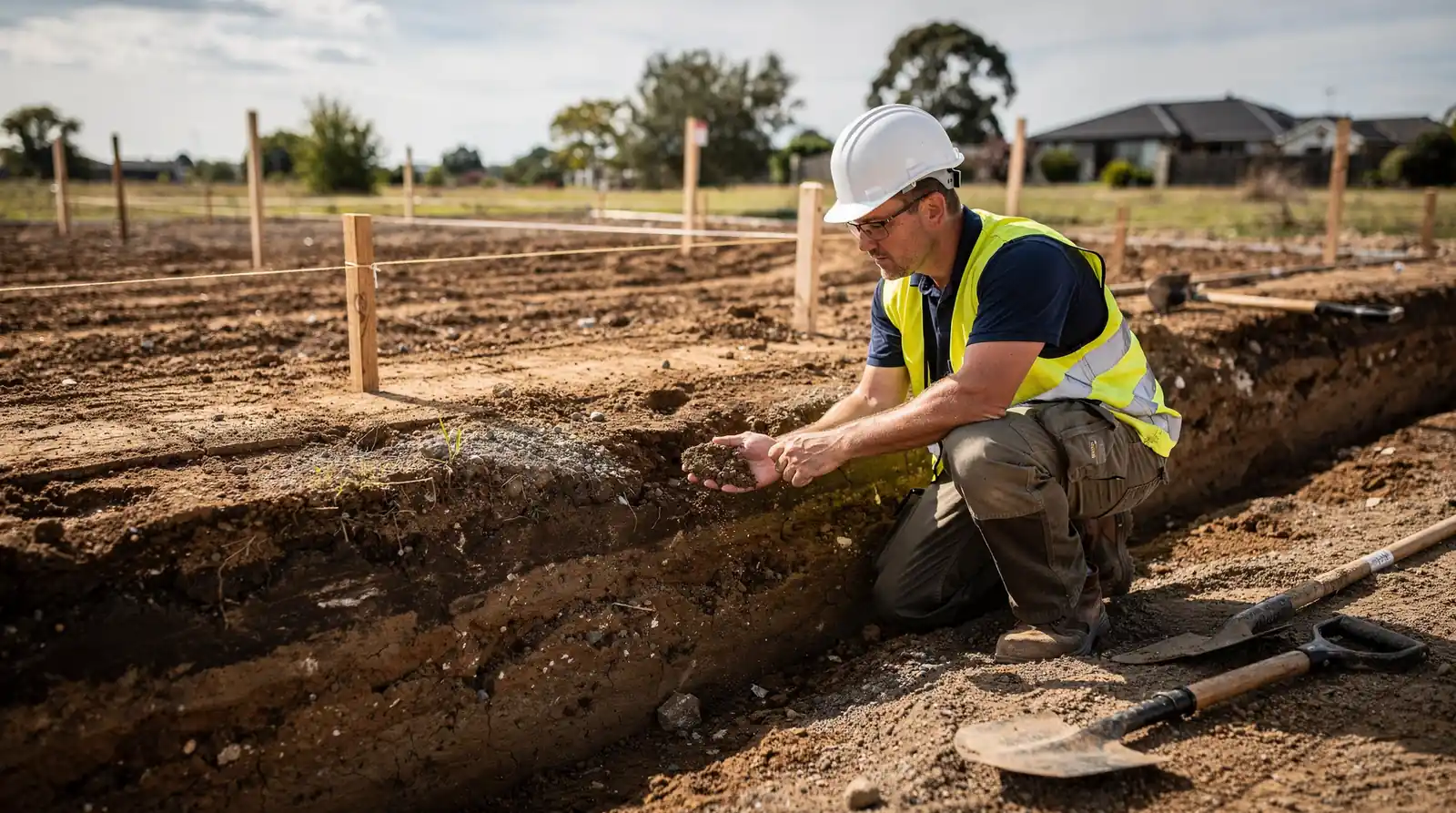
Soil conditions across Gilmer County vary widely, and unfamiliarity with them creates real risk for drainage, septic, and grading projects. Rocky terrain, clay-heavy pockets, and mountainous grades near Ellijay demand more than generic equipment operation. Choosing an excavating contractor in Gilmer County who understands regional soil behavior protects the property from costly rework down the line.
Stewart Brothers Grading operates out of neighboring Pickens County, Georgia, placing crews close to Gilmer County job sites without long mobilization delays. That proximity matters for site visits, soil testing follow-up, and staying responsive if weather or ground conditions shift mid-project. A contractor working nearby tends to have firsthand exposure to the same terrain challenges local landowners face.
Septic system work raises the stakes further. Installations require coordination with local health departments and building officials to meet Georgia’s environmental and safety regulations. A contractor unfamiliar with these approval steps risks delays, failed inspections, or non-compliant drain field placement.
Why does soil type matter for grading and septic work?
Soil composition determines how water drains, how stable a foundation sits, and how a septic field performs over time. Clay soils hold water and slow drainage, while rocky or shallow soils complicate excavation depth and tank placement. Contractors familiar with Gilmer County terrain can anticipate these issues before breaking ground rather than discovering them mid-project.
Property owners should ask contractors directly:
Has the crew worked on similar terrain in Gilmer County before?
Does the contractor coordinate with local health departments for septic approvals?
Can the contractor explain how soil type affects the specific project—driveway, pond, or foundation?
Has the crew worked on similar terrain in Gilmer County before?
Does the contractor coordinate with local health departments for septic approvals?
Can the contractor explain how soil type affects the specific project—driveway, pond, or foundation?
Answers to these questions separate experienced local operators from out-of-area crews guessing at conditions on the fly.
What Excavation Services Should You Expect?
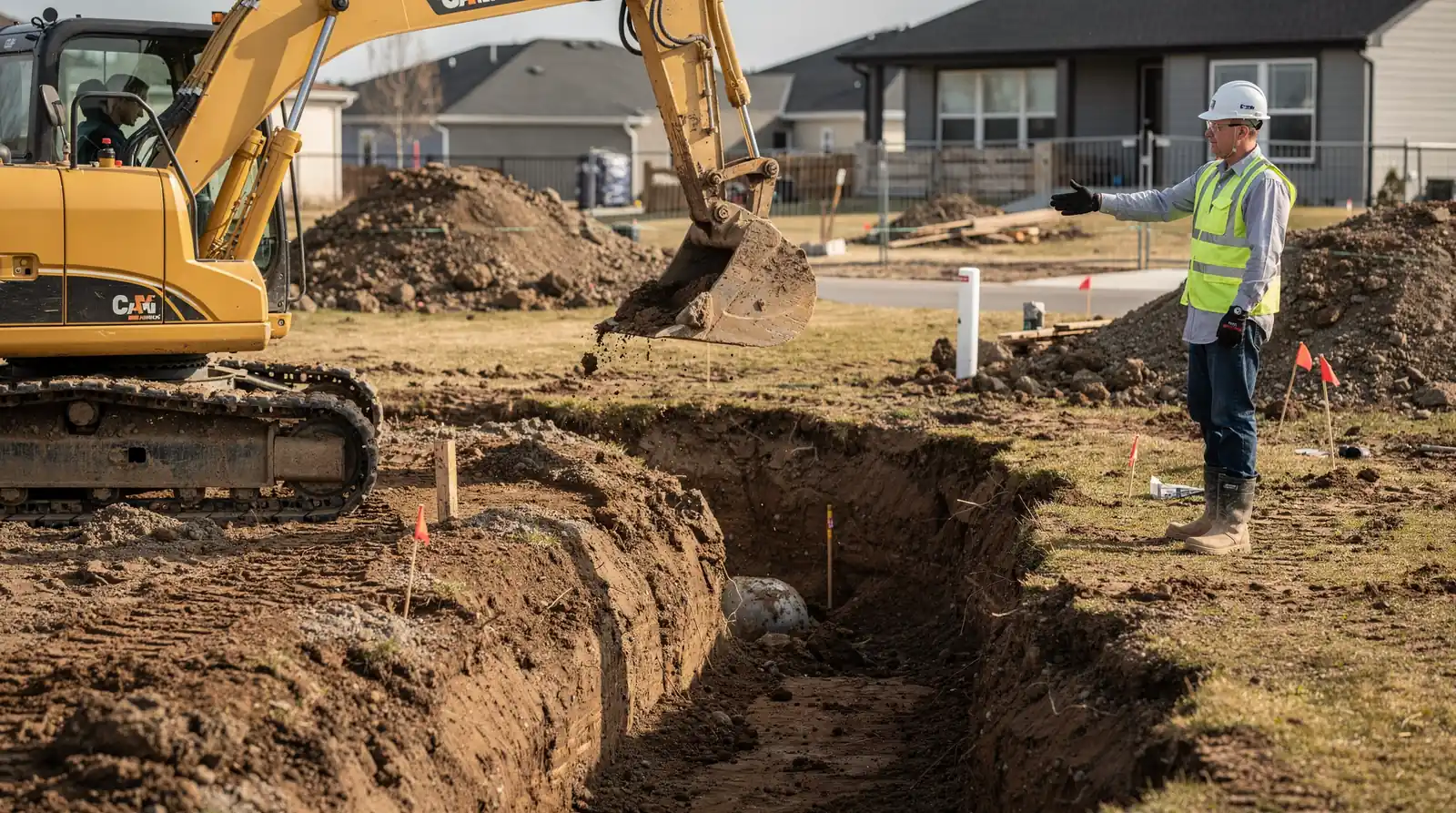
A qualified excavating contractor covers far more than digging a hole. Gilmer County properties, from wooded lots near Ellijay to sloped building sites, require a full menu of excavation services: grading, septic installation, field lines, basement excavation, pond digging, storm drainage, trenching, site preparation, and erosion control. Stewartbrothersgrading.Com Property owners planning a build or land-clearing project should confirm a contractor handles each of these before signing a contract.
Full-service excavation looks like this on paper:
Land grading and leveling for building pads and driveways
Septic tank installation and field line digging
Basement excavation for new construction
Pond digging for irrigation or recreation
Storm drainage solutions to manage Gilmer County’s seasonal rainfall
Trenching and utility line excavation
Site development and erosion control on sloped terrain
Land grading and leveling for building pads and driveways
Septic tank installation and field line digging
Basement excavation for new construction
Pond digging for irrigation or recreation
Storm drainage solutions to manage Gilmer County’s seasonal rainfall
Trenching and utility line excavation
Site development and erosion control on sloped terrain
Does a septic installation include more than digging?
Yes. A proper septic tank installation covers every phase of the job. Site preparation and soil excavation come first, followed by tank placement, drain field installation, and final grading. Skipping any one of these steps risks a system that fails inspection or backs up within a few years.
Do all excavating contractors offer the same services?
No. Some contractors work only on residential projects, while others focus strictly on commercial construction. A Gilmer County homeowner hiring a contractor built for commercial pad sites may find that septic or pond work falls outside their normal scope. Confirming residential experience protects against mismatched expertise and delays.

How Much Do Experience and Reputation Matter?
Experience and reputation carry heavy weight when Gilmer County property owners select an excavating partner. A crew with decades of hands-on grading and excavation work brings the judgment needed to handle tricky terrain, rock outcroppings, and drainage quirks common around Ellijay. Newer operations might quote lower prices. Unproven crews raise the odds of costly rework, delays, or code trouble on a septic install or driveway cut.
Homeowners planning a build, pond, or land-clearing project should treat factors to consider when choosing an excavating contractor in Gilmer County as a real checklist, not an afterthought. Years in business and the number of completed projects both signal whether a company can manage the scope of a given job.
Before signing anything, compare candidates against a short list:
Years of hands-on grading and excavation experience
Number of completed septic, driveway, or site-prep projects
Local references from Gilmer County or nearby Ellijay properties
Family-owned or locally rooted business status
Years of hands-on grading and excavation experience
Number of completed septic, driveway, or site-prep projects
Local references from Gilmer County or nearby Ellijay properties
Family-owned or locally rooted business status
Does a Family-Owned Business Make a Difference?
Family ownership often means personal accountability. A family-owned excavation company tends to treat every job, from a small pond dig to a full basement excavation, as a reflection of its own name. That mindset pushes crews toward doing the work right the first time instead of rushing to the next site.
Why Does a Proven Track Record Matter So Much?
A proven track record gets a project started on solid footing. Contractors who can point to a long history of grading, land clearing, and drainage work cut down on guesswork for property owners. Skipping that history leaves Gilmer County landowners exposed to preventable setbacks once heavy equipment is already on site.
What Should You Ask Before You Hire?
A short list of pointed questions separates a dependable excavation partner from a costly gamble. Gilmer County property owners planning a build, septic install, or land-clearing job need answers before signing anything. The right questions surface the factors to consider when choosing an excavating contractor in Gilmer County long before equipment arrives on site.
Start with the project itself. Defining the scope clearly — soil type, slope, drainage needs, and the intended use of the finished site. Gives a contractor the information required to scope labor, equipment, and timeline accurately. Vague requests invite vague bids, and vague bids invite change orders later.
What Questions Reveal a Contractor’s Reliability?
Ask how quickly the contractor responds to calls before a contract exists. A licensed, experienced crew should be reachable by phone to walk through project details, site conditions, and expected outcomes ahead of any groundwork. Slow or evasive answers at this stage tend to predict slow or evasive service later.
How Do You Judge Workmanship Before Work Begins?
Request examples of past grading, septic, or clearing projects similar in scale to the one planned. Quality workmanship, careful attention to detail, and dependable follow-through are the standards a Gilmer County homeowner should expect from any crew touching their land.
A short pre-hire checklist helps organize the conversation:
Define the project scope in writing before requesting bids.
Confirm the contractor answers calls promptly and discusses specifics.
Ask for evidence of consistent, detail-oriented workmanship on comparable jobs.
Define the project scope in writing before requesting bids.
Confirm the contractor answers calls promptly and discusses specifics.
Ask for evidence of consistent, detail-oriented workmanship on comparable jobs.
Contractors who welcome these questions typically deliver steadier results once the job starts.
Selecting the right excavating contractor requires careful consideration of licensing, experience, equipment quality, and proven reliability. Whether your Gilmer County project involves grading, land clearing, or site preparation, prioritize contractors who demonstrate professional expertise and a commitment to completing work correctly from start to finish. A family-owned business with deep roots in the region understands local conditions and delivers the dependable service your project deserves.
Conclusion
Choosing the right excavating contractor in Gilmer County comes down to a handful of non-negotiables: verified licensing and insurance, hands-on familiarity with local soil and terrain, a full range of excavation services, and a track record backed by real references. Property owners who ask the hard questions upfront — about credentials, past projects, and responsiveness — put themselves in a far stronger position once equipment arrives on site. A family-owned crew with deep roots in the region, like Stewart Brothers Grading, brings the accountability and local knowledge that turns a risky excavation project into a straightforward one.
FAQ
Why does licensing matter when hiring an excavating contractor?
Licensing confirms a trained crew instead of someone with rented equipment. It protects property owners from costly mistakes on grading, septic, and land-clearing projects before work begins.
What risks exist if a contractor lacks insurance?
Uninsured work shifts risk directly onto the property owner. A severed utility line, collapsed trench wall, or worker injury triggers lawsuits and repair bills with no policy to cover them.
Why does local soil knowledge matter for Gilmer County projects?
Understanding regional soil behavior protects the property from costly rework later.