Key Factors to Consider When Selecting a Licensed Excavation Contractor in North Georgia
Selecting the right excavation contractor affects the success of your project. In North Georgia, soil conditions and local regulations vary, so you should prioritise licensing, regional experience, equipment capability, safety compliance, and clear cost estimates. Homeowners and commercial developers need a contractor who can handle tasks from land clearing to complex foundation work. This guide explains what to check in a licensed excavation contractor and why each factor matters, with notes on how Stewart Brothers Grading meets these standards.
When choosing a licensed excavation contractor in North Georgia, consider the following key factors:
Evaluate a contractor on several core points. Confirm proper licensing and insurance to ensure legal compliance and reduce your liability. Prefer contractors with local experience who understand North Georgia soil and permitting. Review the equipment and techniques they use for efficient, safe work. Finally, compare cost estimates to balance budget and quality.
If you need a dependable excavation service, schedule a free estimate with Stewart Brothers Grading at (770) 894-1288.
Why Is Licensing and Insurance Critical for Excavation Services in North Georgia?
Licensing and insurance form the base of a responsible excavation business. A valid license indicates the contractor meets state requirements and has relevant training. Insurance protects clients and contractors by covering accidents and damages that can occur on site.
What Are the Licensing Requirements for Excavation Contractors in North Georgia?
Excavation contractors in North Georgia must obtain specific licenses that demonstrate competence and knowledge of local building codes. This often involves passing competency exams and showing familiarity with regional regulations. Licensed contractors are better positioned to perform work safely and within legal standards.
For more detailed information on the legal landscape surrounding construction and excavation, including licensing and compliance, consider the insights from legal experts.
Georgia Construction Law: Judicial Rulings and Legislative Developments
This article examines construction law decisions issued by Georgia courts and construction-related legislation enacted by the Georgia General Assembly from June 1, 2005, to May 31, 2006. Consistent with previous years, the discussed cases are categorized into five areas: (1) contracts, (2) torts, (3) mechanics and materialmen’s liens, (4) arbitration, and (5) various other matters. Recent legislation is highlighted and summarized in Section VI, including a brief overview of the General Assembly’s significant revisions to Georgia’s ‘Right to Repair’ Act, which established a mandatory alternative dispute resolution framework in 2004 for residential construction defect claims within Georgia. Construction Law, 2006
How Does Insurance Protect Residential and Commercial Clients?
Insurance shields clients from financial exposure. Liability insurance covers on-site accidents and property damage, while workers’ compensation protects workers if injured. Together these policies reduce client risk and demonstrate a contractor’s professionalism.
How Does Local Experience Impact Excavation Quality in Cherokee, Gilmer, and Pickens Counties?
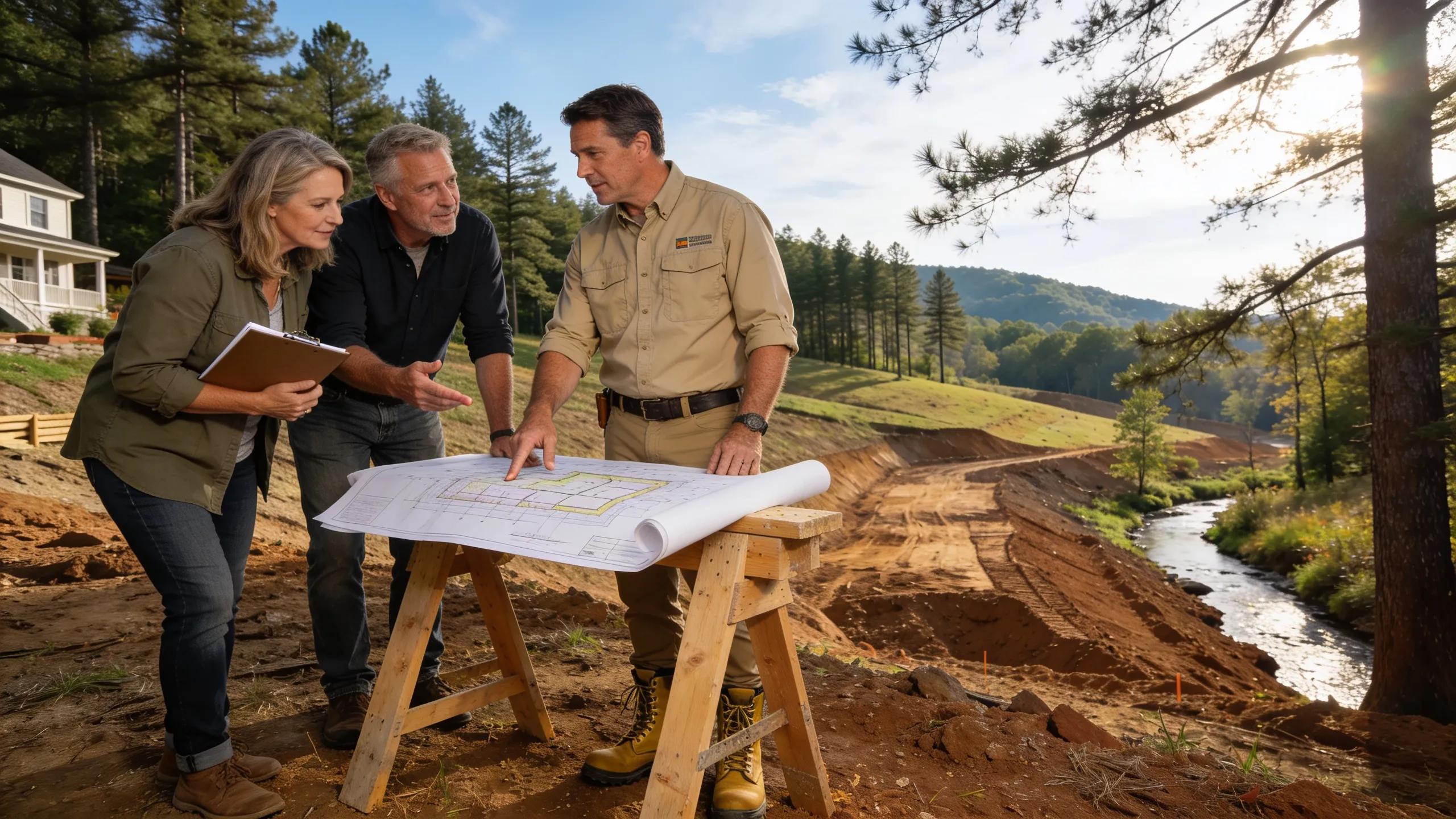
Local experience directly improves excavation results. Contractors who know regional soil types, microclimates, and zoning rules complete work more efficiently and with fewer surprises. For services in these areas, consider an excavating contractor in Cherokee County. Clients in Gilmer and Pickens counties can similarly benefit from specialised local knowledge and service options.
Why Choose Excavation Services Experienced with North Georgia Soil and Site Conditions?
Knowledge of local soil conditions guides equipment selection and excavation methods. Contractors experienced in North Georgia can anticipate issues like erosion or unstable soils and apply suitable mitigation strategies, improving foundation stability and project outcomes.
What Benefits Do Residential and Commercial Clients Gain from Regional Contractor Knowledge?
Regional contractors offer practical advantages: fewer delays, better compliance with local codes, and established relationships with suppliers and permitting authorities. These connections can speed permit approval and access to quality materials, keeping projects on schedule.
What Excavation Equipment and Techniques Ensure Dependable Site Preparation?
Equipment and methods determine site-prep quality. Modern excavators, bulldozers, and backhoes with up-to-date attachments increase precision and reduce project time, contributing to safer, more reliable results.
Which Modern Machinery Does Stewart Brothers Grading Use for Efficient Earthmoving?
Stewart Brothers Grading operates up-to-date machinery suited to a range of excavation tasks. Using the right equipment for terrain and scope reduces downtime, maintains safety, and helps deliver projects on schedule and to spec.
How Do Advanced Techniques Enhance Safety and Project Outcomes?
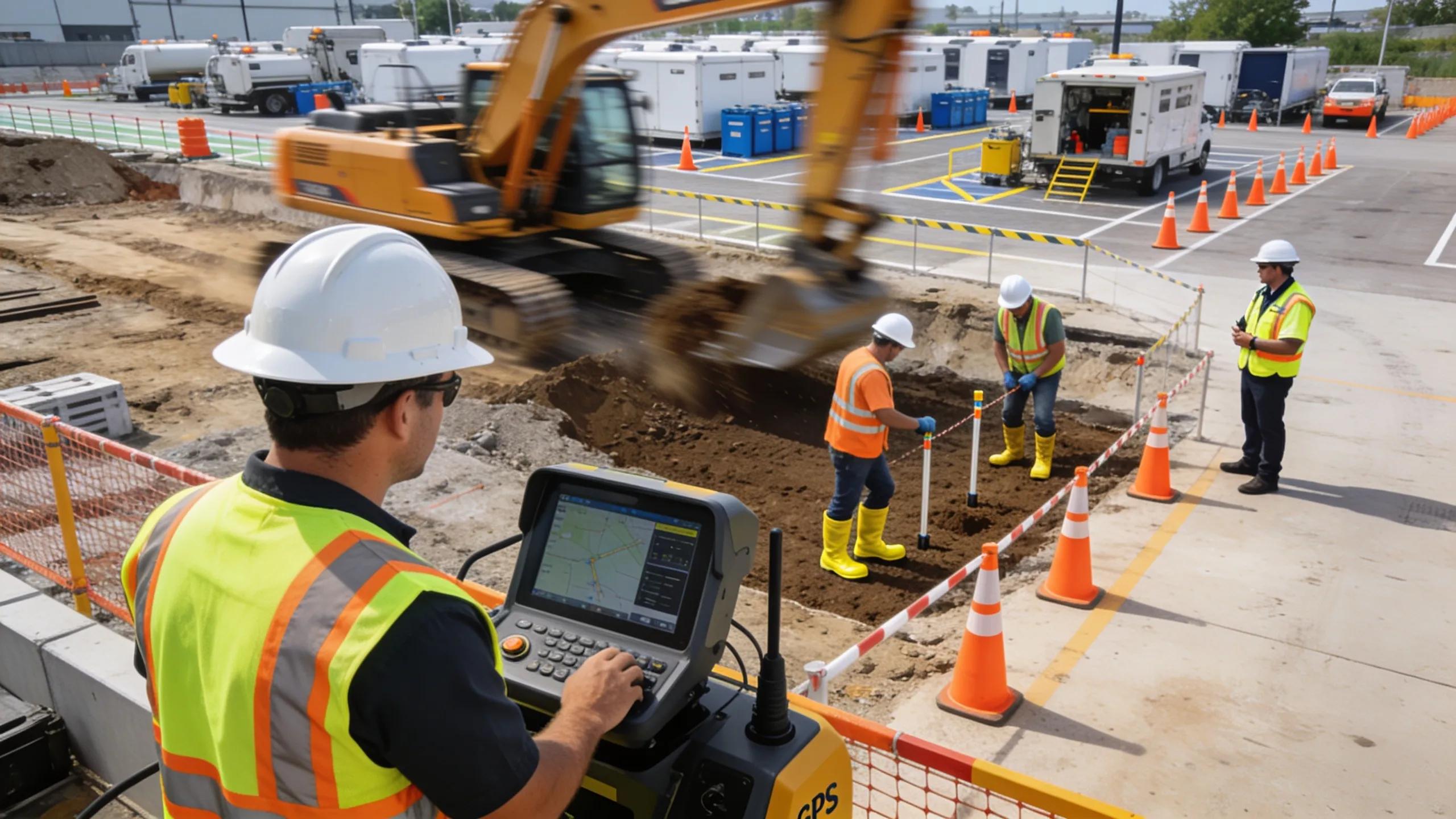
Advanced techniques such as GPS-guided equipment improve accuracy and safety. Precise grading and depth control reduce errors and rework, help protect surrounding areas, and support a cleaner, more controlled site environment.
How Do Safety Standards and Regulatory Compliance Affect Excavation Projects in North Georgia?
Adhering to safety standards and regulations is essential for every excavation project. Licensed contractors must follow state and local rules, which helps ensure projects proceed safely and meet legal requirements.
What Safety Measures Are Followed by Licensed Excavation Contractors?
Licensed contractors enforce safety through PPE use, regular worker training, and clear site protocols. These measures protect workers and the public while reducing the likelihood of incidents that can delay a project.
How Are Recent Regulations Incorporated into Services?
Contractors must update procedures to reflect new regulations, especially those focused on environmental protection and worker safety. Integrating these requirements into daily operations maintains compliance and improves the project’s overall safety profile.
What Are the Key Cost Factors and How Can Clients Obtain Reliable Excavation Estimates?
Understanding cost drivers helps clients budget accurately. Key elements include the scope of work, material needs, labour, and equipment. Site complexity and permitting requirements also influence final pricing.
Which Factors Most Influence Excavation Service Costs in North Georgia?
Major cost inputs are labour, equipment use, and required materials. Local permitting, site complexity, and unforeseen conditions can raise costs. Assessing these items up front yields clearer estimates and reduces surprises.
How Can Residential and Commercial Clients Schedule a Free Estimate Consultation?
To request a free estimate, contact the excavation contractor and provide basic project details: site location, project scope, and any known constraints. This allows the contractor to plan a site visit and prepare an accurate estimate.
For Stewart Brothers Grading, call (770) 894-1288 to discuss your project and arrange a convenient time for a consultation.
Why Are Client Testimonials and Case Studies Essential When Choosing North Georgia Excavation Services?
Testimonials and case studies validate a contractor’s claims. They show how the contractor performed on real projects, demonstrating reliability, quality, and the ability to meet client expectations. For a full view of services, review the excavation services offered by Stewart Brothers Grading.
What Do Residential and Commercial Clients Say About Stewart Brothers Grading?
Clients report professional conduct, clear communication, and proactive problem solving. Positive reviews often note the team’s responsiveness and ability to handle project challenges effectively.
How Do Case Studies Illustrate Successful Local Excavation Projects?
Case studies present project details, timelines, and outcomes that demonstrate the contractor’s approach to solving site problems while meeting budget and schedule targets. They provide practical examples of quality work and client satisfaction.
Frequently Asked Questions
How can I verify an excavation contractor’s licensing and insurance?
Verify licensing and insurance by checking your state licensing board’s online database and requesting copies of the contractor’s license and insurance certificates. Ask about coverage limits and any past complaints or disciplinary actions through local consumer protection agencies. A transparent contractor will provide this information readily.
What should I expect from a consultation with an excavation contractor?
Expect a focused discussion of project scope, timeline, and budget, plus a site assessment. The contractor should explain their process, equipment, and any applicable local regulations, and provide next steps or a preliminary quote.
What are potential delays that can occur during excavation projects?
Common delays include severe weather, unexpected site conditions like hidden boulders or contaminated soil, permit issues, and utility locates. Maintain clear communication with your contractor to anticipate delays and plan contingencies.
How can I ensure the safety of my property during excavation?
Protect your property by informing the contractor of structures, trees, and utilities. Ensure a thorough site analysis and that barriers, signage, and safety protocols are in place. Ongoing communication about safety procedures helps address concerns promptly.
What kind of maintenance might be necessary after excavation work?
Post-excavation maintenance can include monitoring soil compaction and drainage, installing erosion control or vegetation, and watching for settling. Addressing these issues early preserves site stability for future construction or landscaping.
How can I compare estimates from multiple excavation contractors?
Compare estimates by confirming each covers the same scope, timeline, and materials. Evaluate equipment quality, crew experience, and safety practices, and look for transparent pricing. Check references and past project results to verify that estimates align with real-world performance.
Conclusion
Choosing a licensed, experienced excavation contractor helps ensure compliance with North Georgia soil and regulatory requirements while improving efficiency and safety. Engage professionals who provide clear estimates, follow safety standards, and deliver consistent results. To discuss your excavation needs and arrange a free consultation, contact Stewart Brothers Grading at (770) 894-1288.