Excavation Contractors in North Georgia: Comprehensive Services and Pricing Explanation
Excavation services are essential to successful residential and commercial construction. They include land clearing, grading and site preparation. In North Georgia, contractors help projects progress smoothly while complying with local regulations and safety standards. This article outlines the services offered, typical pricing structures, site preparation tasks and the factors that influence project outcomes. Understanding these points helps clients make informed decisions when hiring contractors in North Georgia. For comprehensive solutions, consider contacting Stewart Brothers Grading.
Pricing Structures
Pricing for excavation services in North Georgia varies with project size, complexity and the specific services required. Contractors generally produce estimates using common pricing approaches based on project characteristics.
- Service Type: Different excavation services come with varied costs. For instance, land clearing generally costs less than foundation excavation due to the complexity involved.
- Project Size: Larger projects usually incur higher total costs due to the increased labor and material requirements, although unit costs per square foot may decrease with scale.
- Site Conditions: Challenging site conditions, such as rocky terrain or the need for excessive grading, can lead to higher costs.
What Excavation Services Do North Georgia Contractors Provide?
Contractors in North Georgia provide a range of services tailored to residential, commercial and agricultural projects. The core offerings support site readiness and long-term performance.
- Land Clearing: This involves removing trees, brush, and other obstacles from a site to prepare it for construction.
- Grading: Essential for creating flat and even surfaces, grading is important for ensuring proper drainage and foundation support.
- Utility Installation: Contractors may also handle the installation of essential utilities like water, gas, and electricity lines.
- Septic System Installation: For properties not connected to municipal sewer systems, qualified contractors can professionally install septic systems to manage wastewater.
By offering this range of services, contractors deliver comprehensive support for construction projects, including specialised excavation services.
Which Site Preparation Tasks Are Included in Residential and Commercial Projects?
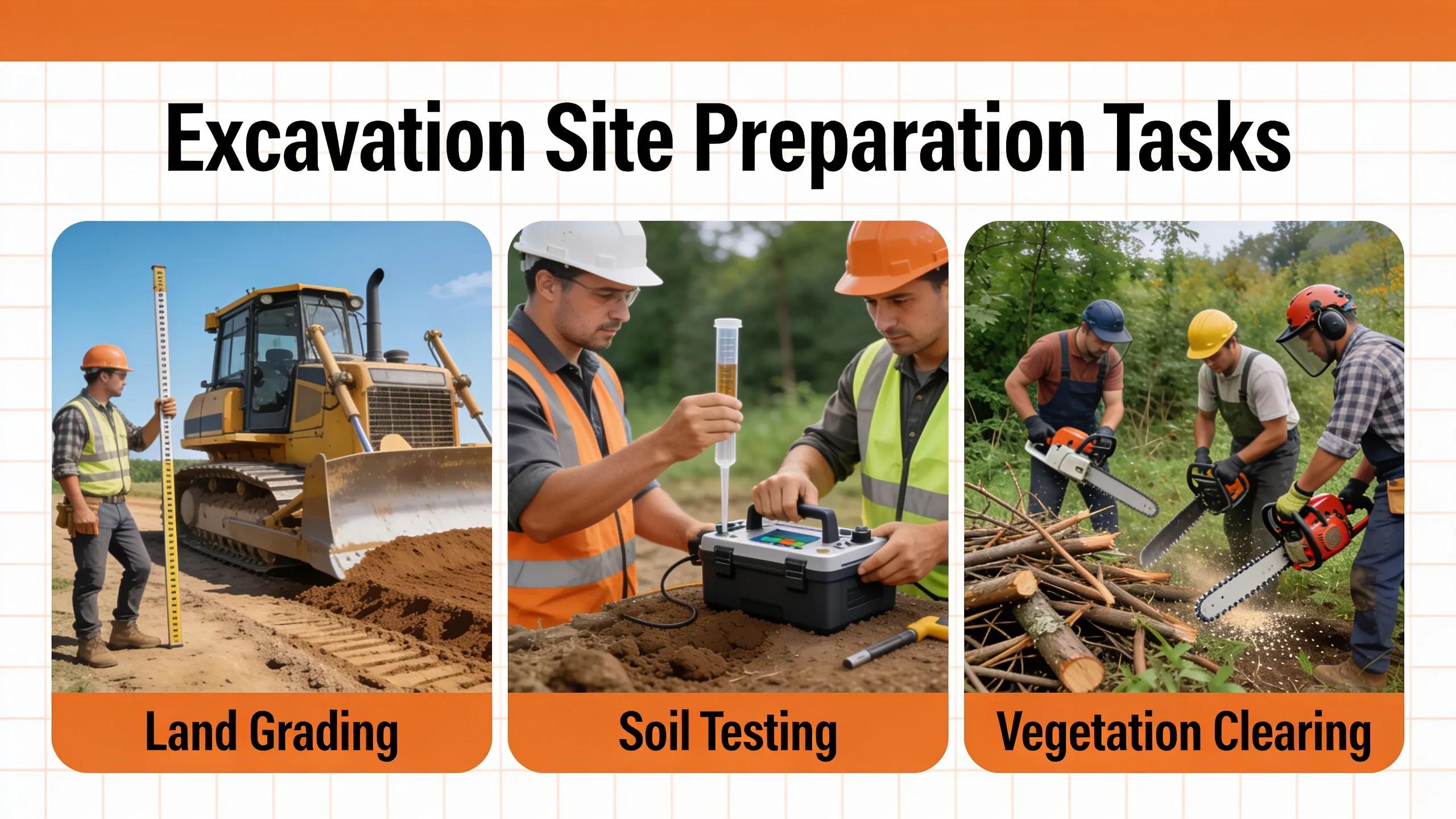
Site preparation readies land for development and reduces risk during construction. Key tasks address stability, drainage and regulatory requirements.
- Land Grading: This process ensures that the surface is level and properly sloped for drainage, preventing water accumulation on the property.
- Soil Testing: Understanding the type of soil on-site informs decisions on foundation types and other structural requirements.
- Clearing and Excavation: Removal of trees and the digging of trenches are necessary for both landscaping and utilities.
Correct execution of these tasks ensures compliance with local regulations and supports the structural integrity of the entire construction project.
How Do Land Clearing and Septic System Preparations Support Construction Outcomes?
Land clearing establishes a workable site by removing obstacles and providing clear access for equipment and crews. Proper clearing and septic preparation set the stage for efficient construction.
- Increase Efficiency: A clear site enables faster assessment and preparation, reducing delays in construction timelines.
- Facilitate Better Planning: Understanding the layout of a property post-clearing aids in effective strategy formulation for grading and utilities.
- Ensure Compliance: Installations, particularly septic systems, must adhere to local regulations which ensures safe and legal construction practices.
A well-prepared site with effective land clearing improves the likelihood of a successful build.
How Is Pricing Determined for Excavation and Grading Services in North Georgia?
Pricing reflects several primary factors that contractors evaluate when preparing estimates for excavation and grading work.
- Project Specifications: Detailed project descriptions will affect cost estimations significantly. Complex jobs that require specialized equipment will incur more expense.
- Geographic Location: Contractors in different regions of North Georgia might offer varying rates based on their operational costs and competitive landscape.
- Material Costs: The cost of materials, such as gravel or fill dirt, can influence overall pricing.
Clients should obtain multiple quotes to ensure competitive pricing; contractors like Stewart Brothers Grading offer estimates tailored to each client’s specific needs.
Why Choose Licensed, Family-Owned Excavation Contractors in North Georgia?
Choosing licensed, family-owned excavation contractors provides clear advantages in reliability, workmanship and community focus.
- Community Focus: Family-owned businesses often prioritize community engagement and client relationships, striving to build lasting partnerships.
- Quality Assurance: With their vested interest in reputation, these contractors ensure high-quality work that meets or exceeds client expectations.
- Expertise and Reliability: Their extensive local experience means they are knowledgeable about regional regulations and best practices, ensuring compliance with local laws.
Selecting a family-owned contractor delivers personalized service and a commitment to client satisfaction. For county-specific expertise, consider contractors serving Cherokee County.
What Expertise and Equipment Ensure Reliable Excavation Services?
Reliable excavation depends on skilled personnel and properly maintained machinery. Both elements reduce risk and improve outcome predictability.
- Skilled Operators: Experienced operators are trained to utilize machinery effectively, ensuring precision in every job.
- Quality Equipment: The use of advanced machinery, such as bulldozers and excavators, facilitates efficient and safe excavation work.
- Safety Standards: Adherence to safety protocols protects both workers and the environment during excavation activities.
Skilled operators and quality equipment increase the consistency and dependability of excavation services.
How Do Family Values Enhance Customer Service and Long-Term Partnerships?
Family values often translate into higher service standards, closer client relationships and a longer-term view of business success.
- Commitment to Excellence: Family-owned contractors are often dedicated to maintaining high service standards, which leads to customer satisfaction.
- Personalized Service: Clients receive individualized attention that larger corporations may not provide, enhancing overall project experience.
- Long-Term Relationships: A focus on building partnerships creates a supportive environment where clients can return for future projects.
Emphasising family values yields a more engaged and responsive customer experience for excavation projects.
How to Prepare Your Property for Excavation and Grading Projects?
Preparing a property before work begins reduces delays and helps ensure compliance. A focused approach prevents common setbacks.
- Assess the Site: Clients should evaluate the property to identify any existing structures or obstacles that need addressing.
- Obtain Necessary Permits: Understanding local regulations and securing the required permits before beginning work is essential for legal conformity.
- Communicate with Contractors: Engaging with anticipated contractors about the site and desired outcomes ensures transparency and alignment.
Proper preparation establishes the conditions for efficient, compliant excavation operations.
What Steps Should Residential Clients Take Before Site Clearing Begins?
Residential clients can streamline site clearing by completing a few key tasks before work starts.
- Mark Utilities: Before any excavation, it’s critical to identify and mark underground utilities to prevent damage.
- Secure Permits: Clients should ensure all necessary permits are acquired to avoid delays.
- Plan Site Access: A clear access path for equipment and vehicles minimizes disruption and prevents damage to surrounding property.
Following these steps improves the efficiency of site clearing. Similar considerations apply in areas such as Gilmer County, where local requirements must be met.
How Do Commercial Clients Coordinate Project Timelines and Site Safety?
Commercial projects require careful coordination of schedule, safety and communication to meet business objectives and regulatory obligations.
- Setting Clear Timelines: Establishing a well-defined schedule helps coordinate with contractors to ensure timely project completion.
- Safety Planning: Implementing comprehensive safety measures during excavation protects workers and nearby public areas.
- Effective Communication: Regular updates and discussions with contractors ensure that all stakeholders remain aligned throughout the excavation process.
Focusing on these areas allows commercial clients to manage excavation work efficiently while maintaining safety standards.
What Are Local Regulations and Safety Standards for Excavation Contractors in North Georgia?
Contractors in North Georgia must operate within a regulatory framework designed to protect people and the environment.
- Licensing Requirements: Contractors are required to obtain appropriate licenses to perform excavation work legally.
- Safety Protocols: Regulations specify standards for worker safety and equipment usage to minimize hazards during excavation.
- Environmental Compliance: Adhering to guidelines that protect local ecosystems is essential for sustainable excavation operations.
These regulations set the minimum expectations for contractors and help safeguard communities and natural resources. Knowledge of county-specific rules, such as those in Pickens County, supports reliable compliance.
Which Permits and Compliance Requirements Apply to Land Clearing and Excavation?
Before land clearing or excavation begins, contractors and clients must address permit requirements that govern land disturbance and construction activity.
- Land Disturbance Permits: Required for any activities that disturb the land, ensuring compliance with environmental rules.
- Building Permits: Necessary for construction-related work to confirm adherence to local building codes.
- Septic Permits: Critical for properties not connected to public sewage systems, regulating the installation of septic systems.
Securing the correct permits avoids legal issues and helps projects proceed without unnecessary delays.
How Do Contractors Maintain Safety and Environmental Standards?
Maintaining safety and environmental standards requires ongoing training, regular equipment upkeep and adoption of best practices.
- Training and Certifications: Ongoing training for workers ensures compliance with safety protocols and environmental regulations.
- Regular Equipment Maintenance: Proper maintenance of excavation equipment reduces the risk of accidents and environmental harm.
- Adoption of Best Practices: Implementing best practices for site waste management and equipment use ensures sustainable operations.
Adherence to these measures contributes to safer job sites and reduces the operation’s environmental footprint.
How Can Customers Verify Stewart Brothers Grading’s Reputation and Service Quality?

Potential clients can verify a contractor’s reputation through documented feedback, project examples and credential checks.
- Check Customer Testimonials: Reading reviews from previous clients provides insights into the contractor’s performance and reliability.
- Look for Case Studies: Examples of past projects can highlight the contractor’s capabilities and expertise.
- Verify Licenses and Credentials: Ensuring that the contractor possesses the required licenses and credentials confirms their legitimacy and professionalism.
Thorough due diligence gives clients confidence when selecting a contractor for excavation work.
What Do Client Testimonials and Case Studies Reveal About Project Success?
Testimonials and case studies provide concrete evidence of a contractor’s ability to deliver projects on time, on budget and to specification.
- Positive Reviews: Consistently high ratings from clients typically indicate reliable performance and quality workmanship.
- Successful Project Outcomes: Detailed case studies demonstrate practical experience and successful project completions, instilling confidence in potential clients.
- Response to Challenges: Testimonials often highlight how contractors effectively navigated challenges, showcasing problem-solving skills and adaptability.
These materials help prospective clients assess service quality and predict likely project outcomes.
How Are Service Areas and County-Specific Expertise Highlighted for Client Confidence?
Emphasising service areas and county experience reassures clients that a contractor understands local conditions and regulatory expectations.
- Local Knowledge: Understanding the unique geological and regulatory landscape of areas like Cherokee, Gilmer, and Pickens enhances a contractor’s reliability.
- Tailored Services: Contractors can adapt their offerings to meet local needs, demonstrating their commitment to the communities they serve.
- Community Engagement: Involvement in local projects and events further solidifies a contractor’s reputation within the community.
A strong local presence and demonstrated county expertise support client confidence when selecting excavation services.
Frequently Asked Questions
What Types of Equipment Do Excavation Contractors Use?
Excavation contractors use a range of machines matched to specific tasks. Typical equipment includes excavators for digging, bulldozers for moving earth, skid steers for tight areas, backhoes for digging and loading, and dump trucks for hauling soil and debris. Modern, well-maintained equipment improves efficiency and helps projects stay on schedule and within budget.
How Can Clients Ensure Their Contractors Follow Safety Protocols?
Clients should request a written safety plan before work begins. The plan should cover worker training, equipment safety checks and emergency procedures. Verify that the contractor follows Occupational Safety and Health Administration (OSHA) regulations and ask for evidence of relevant training or certifications. Regular communication during the project helps ensure safety measures remain in place.
What Are Common Site Challenges That Excavation Contractors Face?
Common challenges include unexpected underground utilities, variable soil conditions and adverse weather. Rocky or unstable terrain can increase costs and extend schedules. Urban projects may face restrictive zoning rules. Addressing these issues requires clear communication and prompt adjustments to the project plan.
Is It Essential to Perform Soil Testing Before Excavation?
Yes. Soil testing identifies soil type, stability and drainage characteristics, which guide foundation design and excavation methods. Testing can also reveal contaminants that need special handling. Thorough soil analysis reduces construction risks and ensures compliance with engineering specifications.
What Should Clients Look for in a Contract Before Hiring an Excavation Contractor?
Review the contract for a detailed scope of work, clear payment terms and realistic timelines. Confirm who is responsible for permits, insurance and liability. Ensure there are provisions for unforeseen conditions and change orders. A comprehensive contract protects both client and contractor and reduces the risk of disputes.
How Do Excavation Contractors Handle Waste Disposal?
Contractors manage waste in accordance with local regulations. They classify materials—such as organic debris, hazardous waste and fill dirt—and arrange proper recycling or disposal through licensed facilities. Responsible waste management ensures regulatory compliance and demonstrates environmental responsibility.
Can Homeowners Participate in the Excavation Process?
Homeowners can stay involved by maintaining open communication with the contractor, confirming project expectations and addressing site access or aesthetic concerns. Staying informed allows timely decisions, but technical tasks should remain with licensed professionals to ensure safety and compliance.
Conclusion
Selecting qualified excavation contractors in North Georgia supports smooth project execution and compliance with local rules. Expertise in land clearing, grading and utility work improves efficiency and reduces the risk of costly delays. By understanding pricing structures and available services, clients can make decisions that align with their construction goals. Reach out to our professionals today to discuss your excavation needs and receive a tailored estimate.