
Septic Tank Installation Options for North Georgia Homeowners: Licensed Excavation Services and Cost Guidance
Selecting the appropriate septic tank for a North Georgia home requires assessing site conditions, local rules, and system types. Homeowners commonly face questions about county permitting, suitable system choices, and the excavation work needed for a successful installation. This article outlines installation options, the role of licensed excavation services, cost considerations for different systems, and permitting basics so homeowners can plan with confidence. For professional help, consider contacting Stewart Brothers Grading.
Installation Options
Septic installations must match a property’s soil, space and environmental constraints. Choosing the right method is essential for effective wastewater treatment and long-term performance. The main options for North Georgia homeowners are conventional systems, aerobic systems, and mound systems.
- Conventional Septic Systems: These systems are commonly used and involve a tank that holds wastewater, allowing solids to settle at the bottom while liquids are distributed into a drain field for filtration.
- Aerobic Septic Systems: These systems introduce oxygen into the treatment process, allowing for the breakdown of waste by aerobic bacteria. They are effective in areas with poor drainage and can significantly reduce the volume of wastewater.
- Mound Septic Systems: Designed for high-water table areas or where conventional systems cannot function, mound systems utilize raised soil beds to filter wastewater before it reaches the ground.
Each system has specific site requirements and benefits; evaluate soil tests, drainage and property layout when deciding which option fits your needs.
Licensed Excavation Services
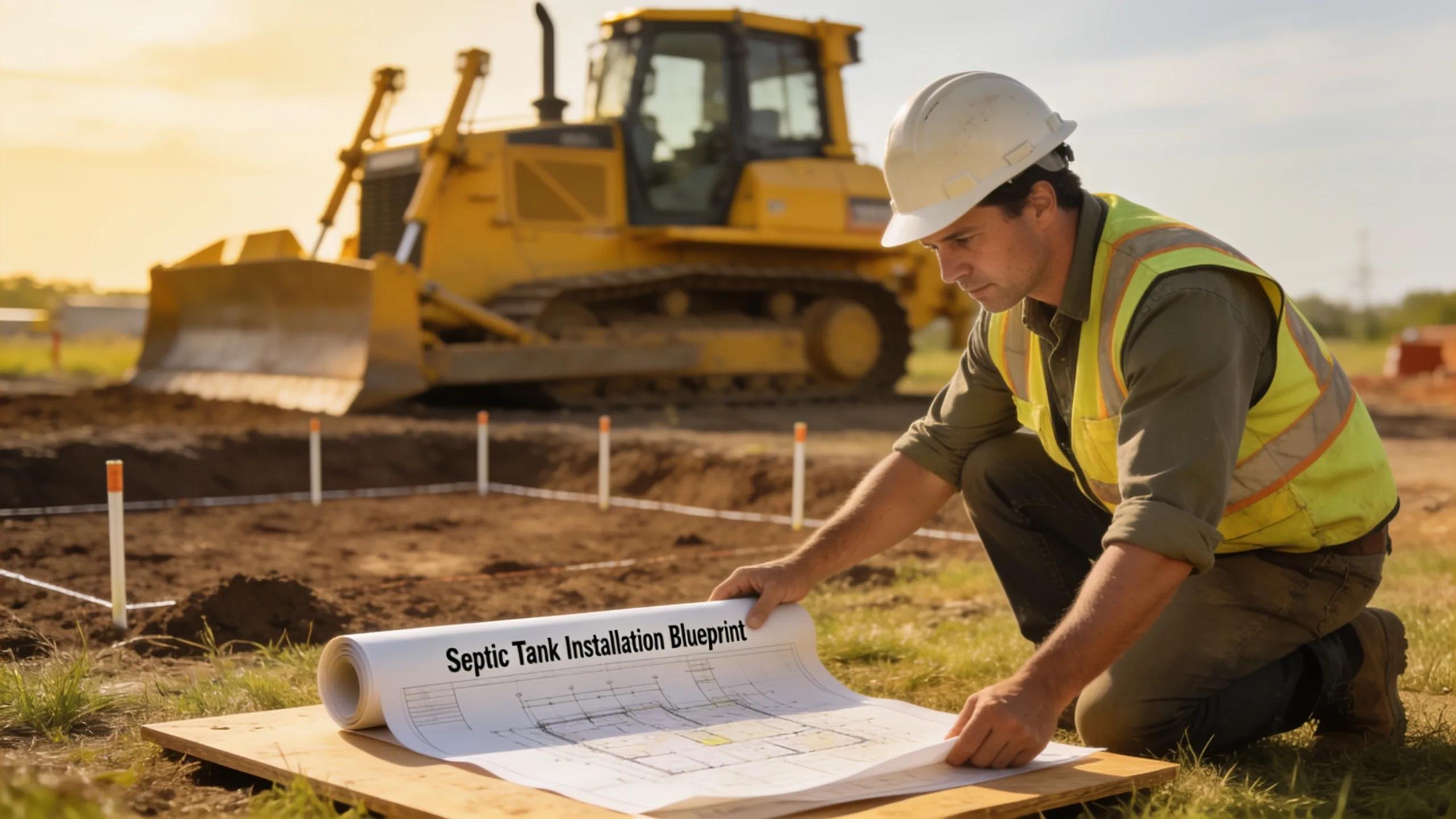
Engaging licensed excavation contractors ensures site work meets health department standards and reduces installation risks. Professionals handle site clearing, grading and trenching with the skills and equipment needed to prepare a reliable installation footprint. For tailored excavation services, see Stewart Brothers Grading.
- Land Clearing: This process involves removing any vegetation or debris from the installation site, allowing for safe access and the following construction tasks.
- Site Preparation: Proper grading is essential to ensure water drainage and to meet local health department regulations concerning wastewater management.
- Permitting and Compliance: Licensed contractors understand the local regulations and permit requirements, which can vary significantly between counties and can help streamline the installation process.
Using qualified excavation services reduces the likelihood of errors and costly rework, helping ensure the septic system functions as intended over time.
Cost Guidance
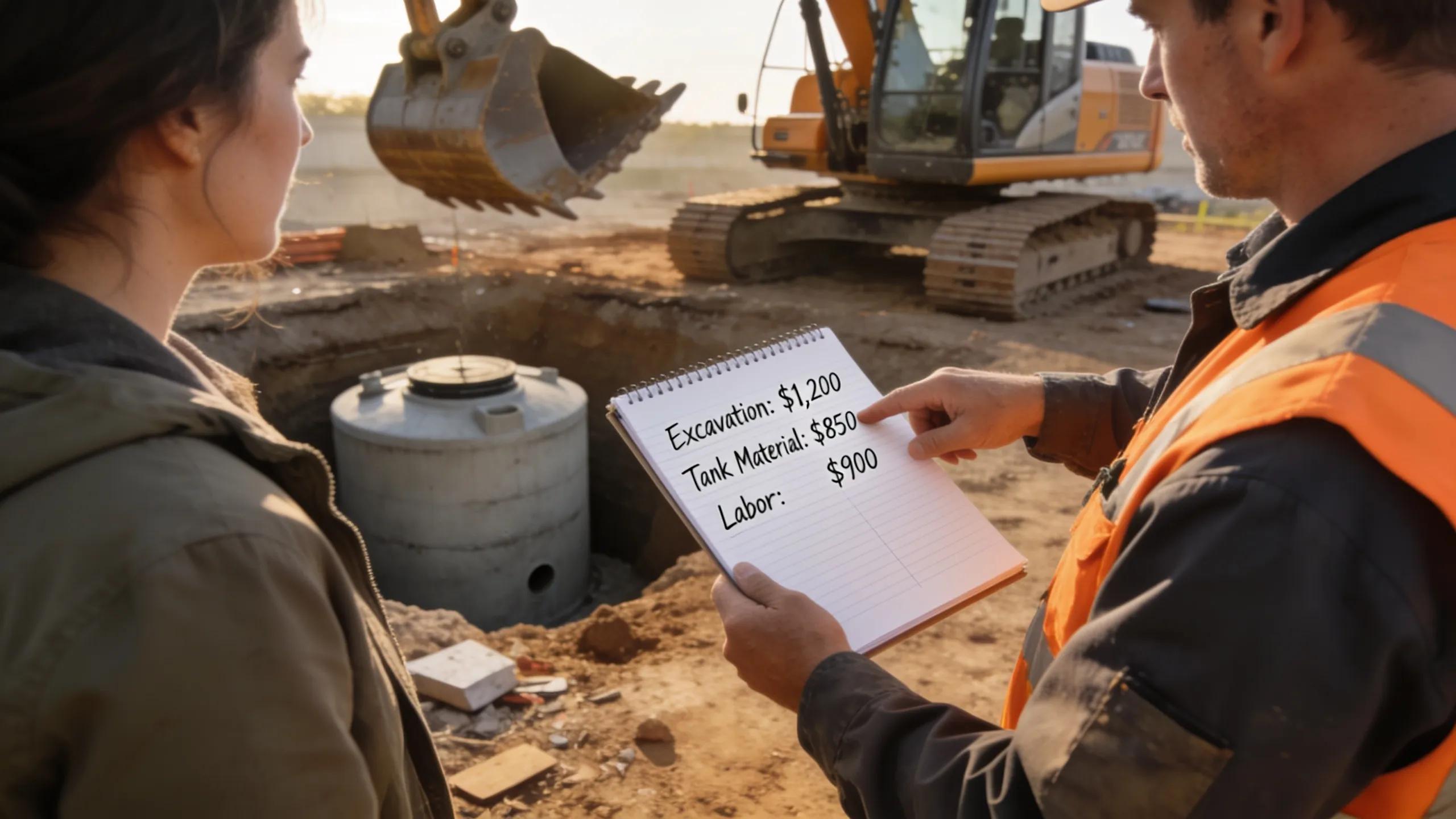
Installation cost depends on system type, site conditions and the scope of excavation. Factors such as soil type, accessibility and required equipment all influence the final price for a North Georgia property.
Obtain multiple quotes from licensed excavation providers to compare pricing and services. Ask about free consultations and detailed estimates to understand the costs specific to your property.
Service Areas
Stewart Brothers Grading serves multiple North Georgia counties, bringing local knowledge of regulations and site conditions to each project.
- Cherokee County
- Gilmer County
- Pickens County
Clients in these counties benefit from excavation services tailored to local permitting and environmental requirements. For residents in Cherokee County, the team offers specialised local excavation expertise for septic installations via Cherokee County excavation.
What Are the Key Types of Residential Septic Systems in North Georgia?
Knowing the main septic system types helps homeowners choose a solution aligned with site conditions and maintenance expectations.
How Does a Conventional Septic System Work?
A conventional system uses a tank and drain field. Wastewater flows into the tank where solids settle and liquids move to the drain field for soil filtration. It performs well where soil drainage is sufficient and is the most commonly installed system.
What Are the Benefits of Aerobic and Mound Septic Systems?
Aerobic systems improve treatment by adding oxygen, which speeds decomposition and suits properties with poor drainage. They can lower effluent impact and may reduce some maintenance burdens. Mound systems raise the treatment area above the native soil, making them appropriate where groundwater or poor soils prevent conventional drain fields from functioning properly.
How Do Licensed Excavation Services Support Septic Tank Installation?
Licensed excavators prepare the site to meet health department standards and support correct system placement. Their knowledge of local soils and site challenges informs system selection and helps prevent installation problems.
What Specialized Excavation Techniques Are Used for Septic Site Preparation?
Site work typically includes trenching for drain lines, grading for proper runoff and compaction to control settling. These steps protect system performance and longevity.
- Trenching: Digging trenches to install drain lines for wastewater dispersion.
- Grading: Leveling the terrain to promote adequate drainage and prevent standing water.
- Compacting: Ensuring the soil is compacted properly to prevent future settling, which may disrupt the system.
How Does Stewart Brothers Grading Ensure Reliable Septic Excavation in North Georgia?
Stewart Brothers Grading applies methodical site preparation and uses appropriate equipment to achieve precise excavation results. Their focus on compliance and quality control helps ensure installations meet local health standards and perform reliably over time.
What Are the Permitting and Regulatory Requirements for Septic Installation in North Georgia Counties?
Permits and regulations vary by county and must be followed to avoid delays and ensure system approval. Working with a contractor experienced in local permitting, such as those offering excavation in Gilmer County, helps streamline compliance.
How Do Cherokee, Gilmer, and Pickens Counties Differ in Septic Permitting?
Cherokee County may apply different rules based on residential density. Gilmer County can have stricter controls near water sources, and Pickens County often requires soil testing before issuing permits. Local expertise is beneficial for meeting each county’s specific requirements; Pickens County residents can review services at Pickens County excavation.
What Steps Should Homeowners Take to Secure Septic Installation Permits?
To obtain permits, homeowners should contact their local health department, submit required documents such as site plans and soil tests, and schedule inspections during installation phases to demonstrate compliance.
What Factors Affect the Cost of Septic Tank Installation in North Georgia?
Costs reflect site difficulty, system complexity and the level of excavation required. Soil conditions, access and any additional site work will affect labour and equipment needs, which in turn influence total cost.
How Do Excavation Services Influence Overall Installation Costs?
Excavation impacts price through factors like soil type, site access and the need for specialised machinery. Difficult terrain or limited access can increase time and equipment demands, raising the overall cost.
What Should Homeowners Expect in Pricing for Different Septic System Types?
Typical cost ranges start near $3,500 for conventional systems and can exceed $15,000 for more complex aerobic systems, depending on site needs, system features and installation challenges.
How Can Homeowners Schedule Professional Septic Tank Excavation and Installation?
Homeowners should verify contractors’ licensing, request detailed proposals and confirm experience with local permitting before scheduling work.
What Is Included in Stewart Brothers Grading’s Free Consultation and Estimate?
The free consultation includes a site assessment, recommendations for suitable systems and an itemised estimate of installation costs so homeowners understand the proposed scope and price.
How to Contact Local Septic Tank Contractors in North Georgia Efficiently?
Contact contractors by researching reviews and credentials online, preparing specific questions about costs and timelines, and requesting multiple estimates to compare services and pricing.
- Utilize Online Resources: Search for reviews and recommendations on local contractors’ services.
- Prepare Questions: Formulate a list of questions regarding pricing, services, and timelines to facilitate discussions.
- Request Multiple Estimates: Gathering multiple quotes helps ensure competitive pricing and allows homeowners to make qualified decisions.
Frequently Asked Questions
1. What is the typical lifespan of a septic system in North Georgia?
Most septic systems last about 20 to 30 years, depending on maintenance, system type and site conditions. Regular inspections and routine pumping every 3 to 5 years help prevent clogs and extend system life.
2. How often should a septic tank be pumped?
Pumping is generally recommended every 3 to 5 years, though frequency depends on household size, tank capacity and water use. Consult a licensed septic service to determine the right schedule for your system.
3. What maintenance do aerobic septic systems require?
Aerobic systems have mechanical parts that need regular attention. Ensure the aerator works, replace filters as recommended (commonly every 6 to 12 months) and schedule annual inspections by a licensed technician.
4. Can I install a septic system myself?
DIY installation is not advised. Septic systems require knowledge of local regulations, soil evaluation and correct installation methods. Hiring licensed professionals reduces the risk of non-compliance, costly repairs and environmental issues.
5. What are the common signs of a failing septic system?
Signs include foul odours near the tank or drain field, slow drains, gurgling plumbing and standing water in the yard. Sewage backups are a serious indicator—contact a licensed professional promptly to assess the issue.
6. How does soil type affect septic system installation?
Soil determines drainage and filtration capacity. Sandy soils drain well and suit conventional systems; clay soils drain poorly and may require aerobic or mound systems. Conduct soil tests to identify the appropriate system for your property.
7. Are there any environmental regulations I should be aware of?
Yes. Regulations differ by county and affect design, permitting and maintenance. Work with a licensed excavation contractor familiar with local rules to remain compliant and avoid legal or environmental problems.
Conclusion
Choosing the correct septic installation simplifies permitting and ensures reliable wastewater treatment tailored to your site. Licensed excavation services provide the expertise and compliance support needed for a successful, long-lasting system. Contact experts like Stewart Brothers Grading for a free consultation and a detailed estimate to plan your project with confidence.