

Land grading in Georgia strengthens foundations, prevents erosion, and improves drainage across varied terrain and soil types found in Pickens County and surrounding North Georgia areas. Properly graded sites reduce flood risk, meet zoning and environmental requirements, and create stable, level ground for residential and commercial builds—cutting long-term repair costs for property owners and developers alike.
Why Is Land Grading Essential For Georgia Construction?
Unstable ground causes foundation cracks, drainage failures, and costly repairs long after construction crews leave the site. Why land grading is essential for construction GA projects comes down to one fact: soil across the region behaves unpredictably without proper preparation. Rolling hills and dense red clay dominate much of North Georgia. Both create real complications when left unaddressed before a build begins.
Terrain across Pickens County and neighboring areas rarely sits apartment or drains evenly on its own. Varying elevation and soil composition can shift under a structure’s weight, leading to uneven settling. Grading corrects these conditions before framing starts, giving builders a stable, level base to work from.
What Happens If Grading Gets Skipped in Georgia?
Skipping grading invites water pooling, soil erosion, and slow structural settling that surfaces months or years later. Red clay soils common throughout the region hold moisture and expand, which stresses foundations that were never properly leveled. Repair costs after construction almost always exceed the price of doing the grading work upfront.
Local expertise makes a measurable difference on these projects. Stewart Brothers Grading operates as a licensed, family-owned excavation contractor based in Pickens County, Georgia, giving clients grading expertise built around the region’s own terrain. As a licensed and experienced excavation company, the firm serves residential and commercial clients throughout North Georgia rather than treating every site the same way.
Site conditions to evaluate before breaking ground include:
Existing slope direction and drainage flow
Soil composition and clay content
Proximity to flood-prone low areas
Planned structure weight and footprint
Existing slope direction and drainage flow
Soil composition and clay content
Proximity to flood-prone low areas
Planned structure weight and footprint
Property owners, home builders, and project managers who address these factors early avoid the expensive surprises that come with rushed or skipped grading work.
How Does Grading Protect Your Building’s Foundation?
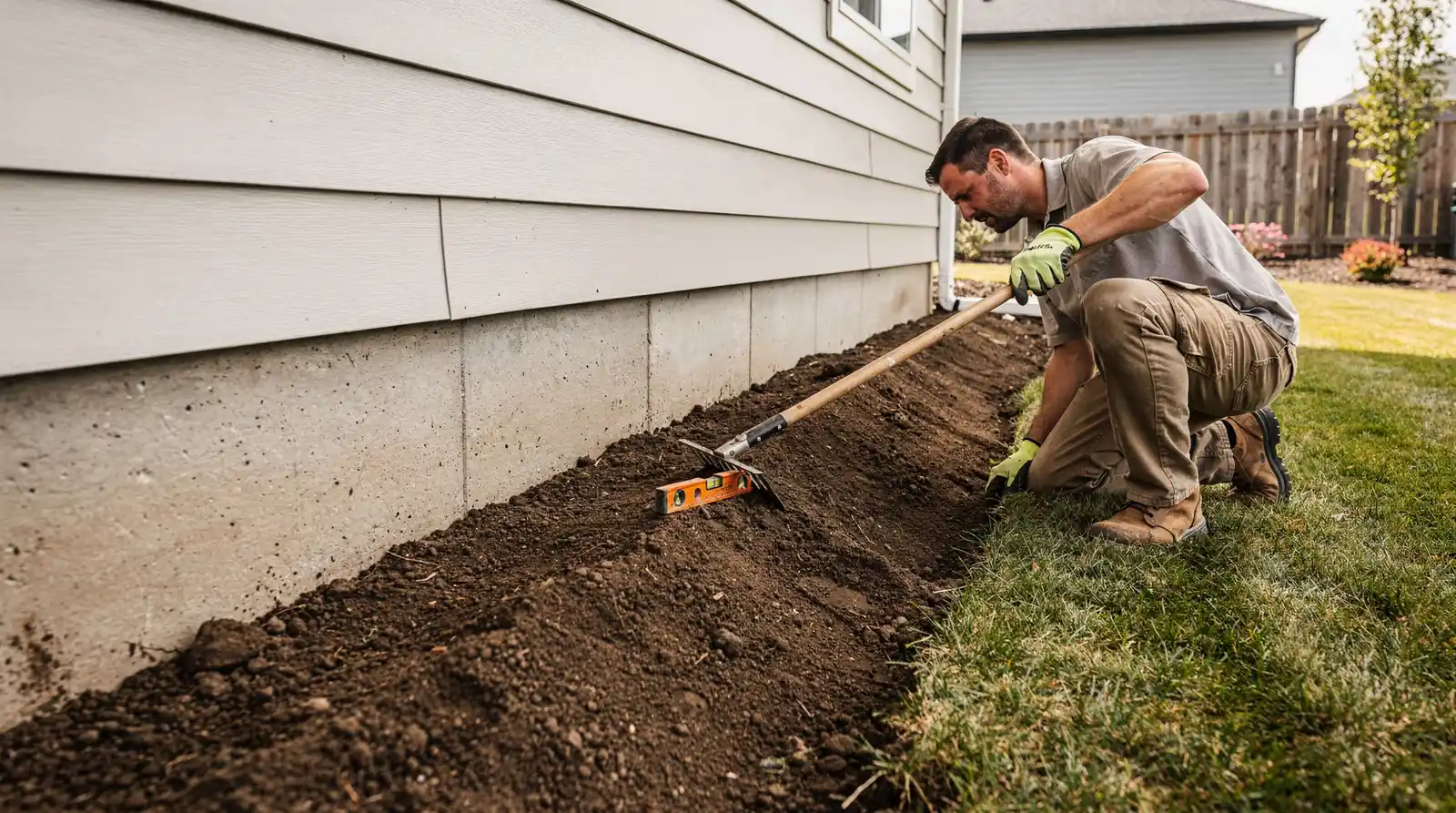
Grading reshapes raw land into the correct slope and elevation before a single footing gets poured. That single step determines whether a foundation stays solid for decades or cracks within a few years. Georgia’s clay-heavy soils shift with moisture, so uneven ground puts constant pressure on concrete and framing. Why land grading is essential for construction GA projects comes down to controlling how water moves. How soil settles around the structure.
Loose, unlevel soil under a slab invites trouble. Water pools instead of draining, saturating the ground beneath footings and causing gradual sinking. Over time, this creates cracked walls, uneven floors, and doors that stop closing properly — problems that cost far more to repair than to prevent.
What happens if a lot skips proper grading?
Skipping grading leaves soil compaction and drainage to chance. Georgia’s shifting clay expands when wet and contracts when dry, and that movement stresses a foundation unevenly. Builders who bypass this step often face callbacks, warranty claims, and structural repairs long after the project closes.
Stewart Brothers Grading approaches every site as a family-owned operation built on getting the work right the first time. That standard matters most below ground, where mistakes stay hidden until a foundation fails.
Crews bring licensed, experienced backing to every job across North Georgia, from small residential lots to larger commercial builds. Services typically include:
Site assessment and elevation planning
Soil compaction to reduce settling
Slope shaping for proper drainage away from structures
Final grade checks before foundation work begins
Site assessment and elevation planning
Soil compaction to reduce settling
Slope shaping for proper drainage away from structures
Final grade checks before foundation work begins
Licensed, experienced excavation services get tailored to each project’s specific foundation demands, giving builders and developers a stable base to build on with confidence.
What Drainage Benefits Come From Proper Grading?
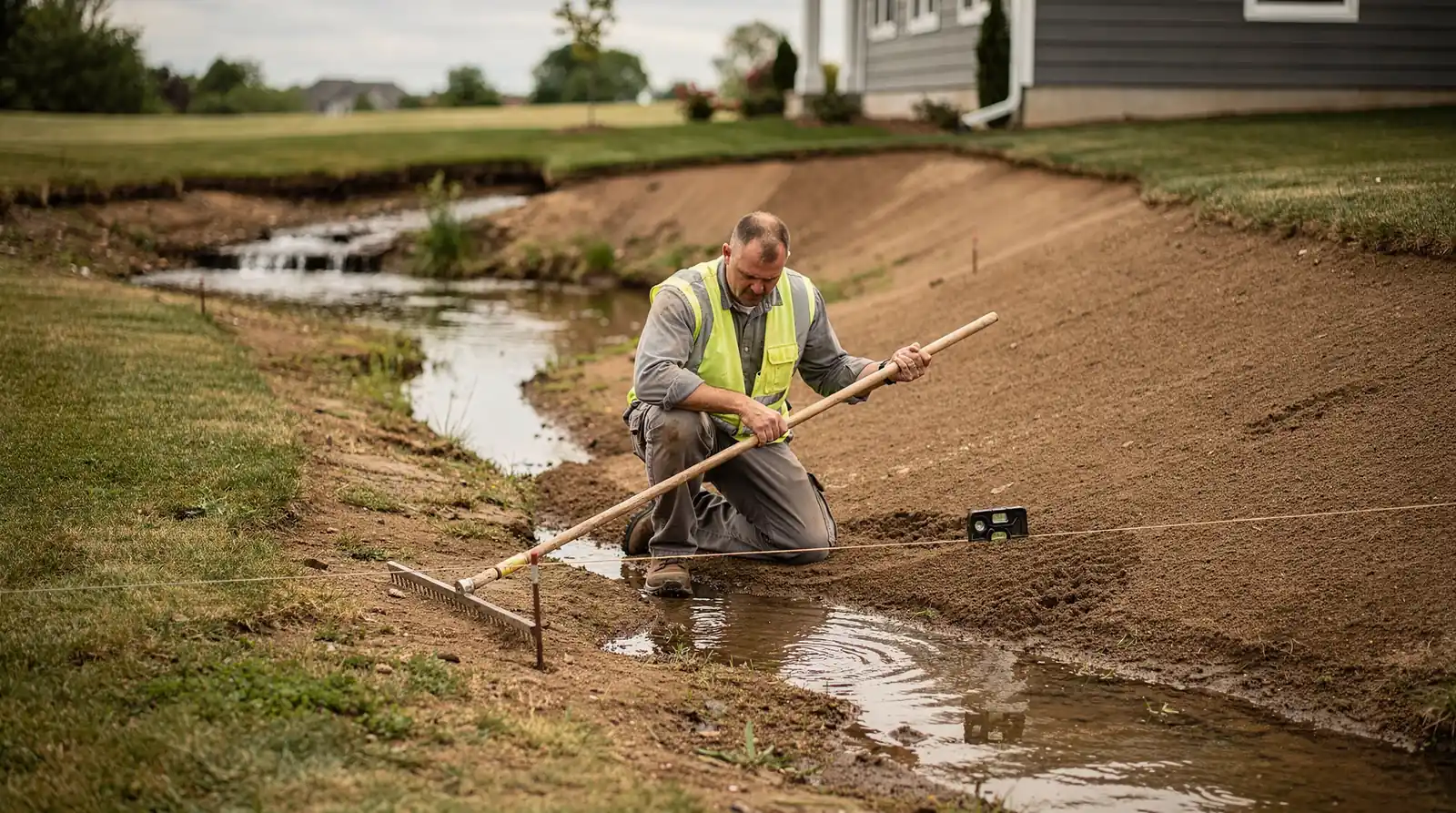
Proper grading redirects water away from structures instead of letting it pool near foundations. Standing water near a home or commercial building in Georgia softens soil, invites erosion, and eventually threatens structural integrity. Correct slope design solves this problem before construction ever begins, sending runoff toward ditches, swales, or storm drains rather than toward a driveway or crawl space.
Why land grading is essential for construction GA projects becomes clear once drainage failures start showing up after move-in. Cracked slabs, soggy yards, and eroded driveways trace back to grading that ignored water flow. Getting the slope right the first time costs less than fixing drainage damage after the framing is up.
Grading equipment does more than shape slope, though. Compacting soil during the process reduces settling over time and builds a firm surface for whatever comes next. Footings, slabs, or sidewalk. Loose, uncompacted ground shifts under weight, and that shifting is exactly what produces cracked foundations and uneven floors years later.
Does soil type affect drainage planning in Georgia?
Yes. Georgia’s clay-heavy soils drain slower than sandy or loamy ground, which changes how a grading crew designs slope and runoff paths. Stewart Brothers Grading’s base in Pickens County gives the team direct, on-the-ground familiarity with these regional soil and drainage patterns.
That local knowledge shapes every grading plan the crew builds. Licensed, experienced excavation work, tailored to each site’s drainage needs, keeps water moving where it belongs:
Away from foundations and crawl spaces
Clear of driveways and walkways
Toward designed swales or drainage lines, not low spots in the yard
Away from foundations and crawl spaces
Clear of driveways and walkways
Toward designed swales or drainage lines, not low spots in the yard
Developers and property managers across North Georgia depend on that combination of local insight and licensed expertise to avoid costly drainage failures down the road.
What Happens During Professional Grading And Excavation?
A dozer or grader reshapes the land to match a planned elevation, cutting down high spots and filling low ones. This single step determines whether water flows away from a structure or pools against it for years to come. Georgia’s clay-heavy soils and rolling terrain make this process especially important for both new home sites and commercial pads across Pickens County.
Why Land Grading Is Essential for Construction GA projects comes down to sequencing. Crews first clear vegetation and debris, then rough-grade the site to the elevation plan, and finally fine-grade around the foundation footprint. Skipping steps here often means costly rework once framing begins.
How does grading differ from excavation?
Grading levels and shapes the surface of a lot, while excavation digs into the ground itself. Excavation covers trenching for utility lines, cutting building pads, and removing soil to reach proper footing depth. Both processes work together on most Georgia job sites, and one rarely succeeds without the other.
Stewart Brothers Grading operates as a licensed and experienced excavation company based in Georgia, handling both stages for residential and commercial clients. The team’s licensed crews bring the field experience needed to move soil correctly the first time, not the third.
Who should oversee grading on a build site?
Licensed, experienced operators should manage every grading and excavation phase. As a family-owned business, Stewart Brothers Grading takes pride in getting each step right the first time, protecting builders and property owners from the expensive surprises that come with rushed sitework.
How Do You Choose A Trusted Grading Contractor?
Licensing and local experience separate a dependable grading contractor from a risky gamble. Pickens County property owners and North Georgia developers gain confidence when a contractor understands regional soil conditions, drainage patterns, and permitting requirements firsthand. Stewart Brothers Grading operates from Pickens County, Georgia, giving clients a partner who knows the terrain rather than a crew learning it on the job site.
Understanding why land grading is essential for construction across Georgia starts with recognizing what a contractor’s track record actually reveals. A family-owned operation built on doing every job right the first time brings a different level of accountability than a large, impersonal outfit. That commitment matters most on projects where soil stability determines whether a foundation lasts decades or cracks within a few years.
What Should Property Owners Look For In A Contractor?
Credentials come first. A trustworthy contractor holds proper licensing, carries relevant excavation experience, and treats each project as if the outcome reflects the company’s name. Professional grading and excavation work shapes. Stabilizes a property, giving builders the confidence to move forward without second-guessing the ground beneath them.
Before signing a contract, developers and homeowners should confirm the following:
Licensing status verified for excavation and grading work in Georgia
Local project history in North Georgia soil and terrain conditions
Ownership structure, favoring accountable, family-run operations over anonymous subcontractors
Site stabilization approach, ensuring drainage and foundation prep happen correctly from day one
Contractors meeting these standards reduce the risk of costly rework later.
FAQ
What are the main benefits of land grading for construction?
Land grading strengthens foundations, prevents erosion, and improves drainage across North Georgia’s varied terrain and soil types. It reduces flood risk, meets zoning and environmental requirements, and creates stable, level ground for residential and commercial builds.
What happens if a construction site skips grading?
Red clay soils hold moisture and expand, stressing foundations and leading to repair costs that exceed the original grading expense.
Who performs land grading in Pickens County and North Georgia?
Stewart Brothers Grading, a licensed, family-owned excavation contractor based in Pickens County, Georgia, provides grading expertise built around the region’s terrain. The company serves residential and commercial clients throughout North Georgia.
Conclusion
In closing, proper land grading stands as a foundational investment for any construction project in North Georgia. The expertise and precision that licensed, experienced operators bring to site preparation directly impact your project’s structural integrity, drainage performance, and long-term stability. Stewart Brothers Grading delivers the dependable excavation services your residential or commercial development requires, ensuring every job meets the highest standards from start to finish.