

Skipping proper site evaluation, wrong tank sizing, and rushed installation over unsuitable soils or high water tables cause most septic failures. Stewart Brothers Grading in Pickens County, Georgia, avoids these by permitting correctly, sizing systems to household need, and installing only after thorough soil and slope assessment.
Common septic tank installation mistakes include skipping proper site evaluation, selecting an undersized system, rushing the timeline, and misunderstanding permit requirements. These errors cause drainage failures and costly rework. Stewart Brothers Grading, a licensed North Georgia excavation contractor, prevents these problems through decades of experience handling soil testing, site preparation, and code-compliant installation across Pickens County properties.
Why Do Septic Tank Installations Go Wrong?
Wrong soil evaluations, skipped permits, and rushed excavation cause most septic tank installation failures. What are the common issues that can arise during septic tank installation? Homeowners in Pickens County and across North Georgia face drainage failures, contaminated groundwater, and costly tear-outs when systems go into the ground without proper planning. Complexity is the root problem. Septic tank installation involves permitting, heavy equipment, and code compliance. Never a do-it-yourself project for a rural property owner or home builder.
Skilled installation matters because mistakes made underground are expensive to fix above ground. A tank set at the wrong depth can cause backups and uneven settling. Additionally, a drain field placed on unsuitable soil can lead to persistent drainage failures. A system installed without local health department approval can also force a costly teardown and reinstallation. Each of these errors costs far more than doing the job correctly the first time.
What causes most septic system failures?
Poor site evaluation and rushed workmanship cause the majority of failures. Crews that skip soil testing or ignore grading requirements set homeowners up for drainage backups and premature system breakdown.
Who should homeowners trust with septic tank installation?
Licensed, experienced excavation professionals should handle every phase of the project. Stewart Brothers Grading is a licensed and experienced excavation company serving residential and commercial clients throughout North Georgia. Homeowners planning a septic tank installation in Pickens County can rely on Stewart Brothers Grading’s licensed professionals to manage permitting, equipment, and code compliance from start to finish.
As a family-owned business, Stewart Brothers Grading takes pride in doing every septic installation job right the first time. That commitment protects property owners from the drainage failures. Costly corrections that follow a rushed or poorly planned installation.
Why Does Poor Site Selection Sink a Septic System?
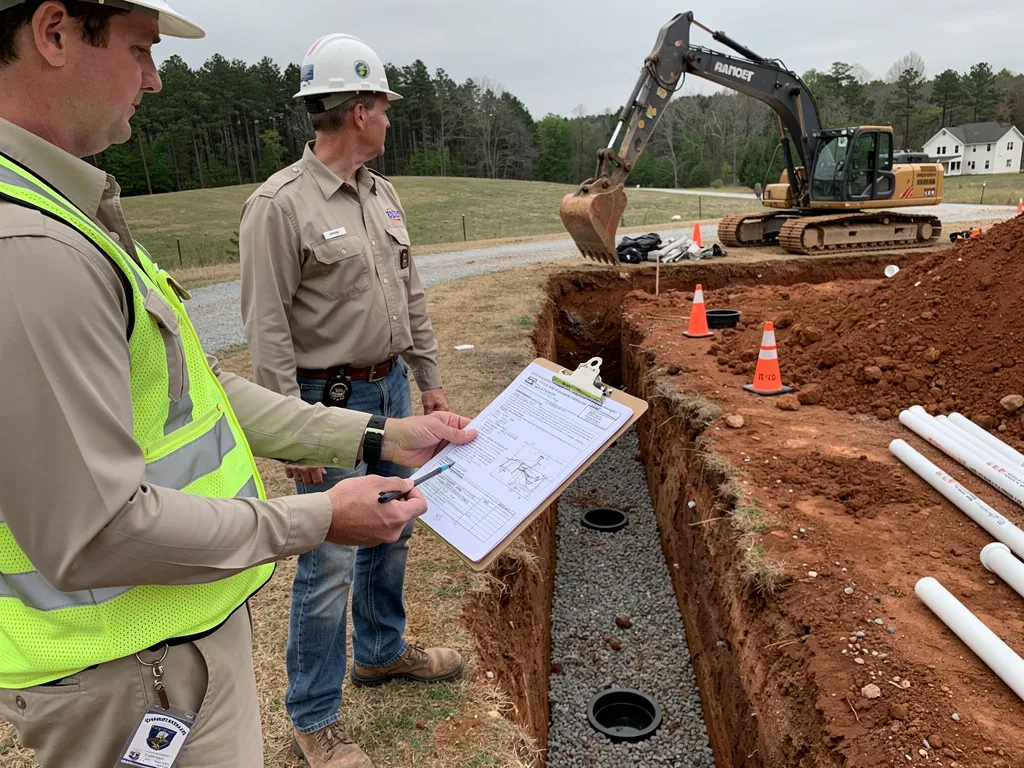
Wrong placement ruins a septic system before a single pipe goes into the ground. Skipping a percolation test — the standard check of how fast soil absorbs water — can compromise an entire system before it ever treats its first gallon of wastewater. Rural landowners in Pickens County often assume any apartment patch of yard will work. That assumption causes some of the most expensive repairs in North Georgia.
Distance matters as much as soil quality. A septic system needs safe separation from wells, mature trees, and buildings to prevent contamination of drinking water and property damage from root intrusion. Placing a tank or drain field too close to any of these features risks pollution and costly excavation to fix later.
What Makes a Site Truly Ready for a Septic Tank?
Readiness comes down to two factors: soil behavior and proximity. Soil has to absorb and filter wastewater at a workable rate, confirmed through percolation testing, and the layout has to keep safe distances from wells, trees, and structures. Skipping either step invites failure down the road.
Stewart Brothers Grading builds every septic tank installation around proper site preparation. Soil excavation before any tank goes into the ground. Decades of grading and excavation experience inform that process, not guesswork. The company applies that same standard to residential and commercial projects alike.
Site evaluation should never be treated as a formality. It’s the foundation the entire system rests on. Homeowners who work with a licensed, experienced contractor gain:
Accurate percolation testing before design decisions are made
Placement that respects wells, trees, and building foundations
Installation that stays code-compliant from day one
Accurate percolation testing before design decisions are made
Placement that respects wells, trees, and building foundations
Installation that stays code-compliant from day one
That combination protects the investment and keeps the system functioning for years.
What Permitting and Code Mistakes Should You Avoid?
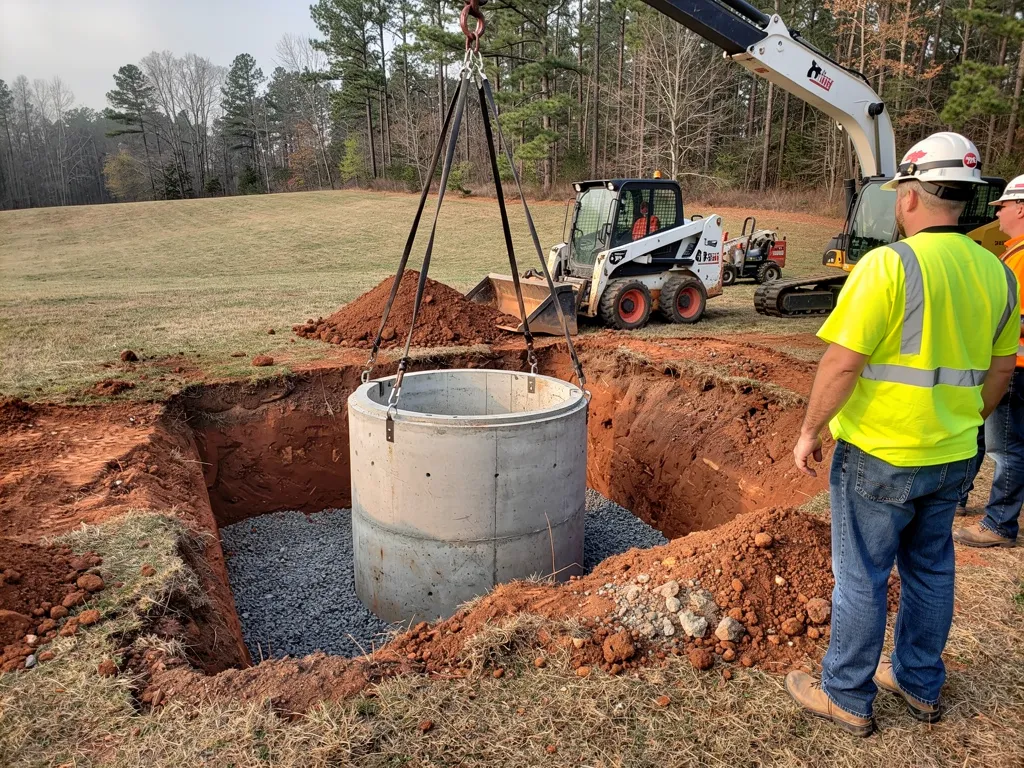
Skipped permits create the single costliest mistake in septic tank installation. A homeowner who bypasses required approvals risks tearing out a fully functioning system later, simply because it fails to meet local code. That teardown means paying for excavation twice, plus the cost of the wasted materials.
Pickens County property owners face a specific set of environmental and safety regulations that govern tank placement, drain field sizing, and soil evaluation. These rules exist to protect groundwater and neighboring wells. Skipping them doesn’t make a project faster; it just delays the real work until an inspector forces a correction.
Why does working with local officials matter so much?
Health departments and building officials review septic plans before ground gets broken, and that review catches problems early. Stewart Brothers Grading’s crew works directly with these officials on every job, confirming each installation satisfies Georgia’s environmental and safety standards from the start. That coordination prevents the guesswork that leads to failed inspections.
Being based in Pickens County gives the team firsthand familiarity with North Georgia’s permitting process, not secondhand knowledge pulled from a manual. Local experience means fewer surprises during inspection and fewer delays waiting on paperwork corrections.
What should a homeowner ask a contractor before installation begins?
Ask directly whether permits are already secured before any digging starts. A trustworthy contractor confirms this upfront rather than leaving it as an afterthought.
Common permitting mistakes to avoid include:
Starting excavation before permits are approved
Assuming an older system’s permit still covers new work
Hiring a crew unfamiliar with county-specific soil and setback rules
Skipping coordination with local health department reviewers
Starting excavation before permits are approved
Assuming an older system’s permit still covers new work
Hiring a crew unfamiliar with county-specific soil and setback rules
Skipping coordination with local health department reviewers
Stewart Brothers Grading serves as a go-to excavating contractor for site preparation and grading throughout the region, handling the permitting groundwork alongside the physical installation.
How Do Rushing and Poor Sizing Cause Failures?
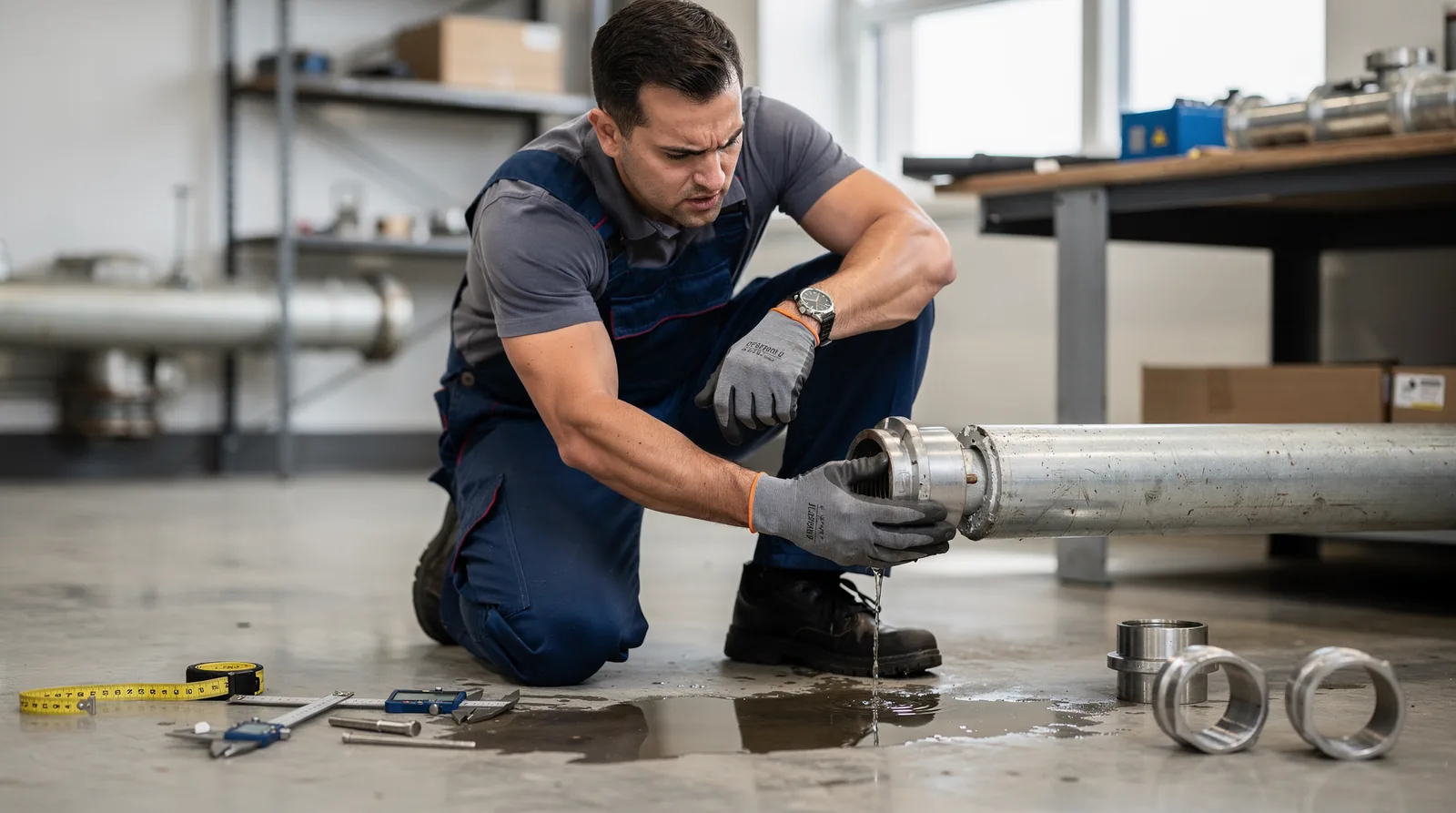
Speed kills septic systems. Homeowners in Pickens County frequently make avoidable mistakes such as choosing the wrong tank size for their household or rushing an installation timeline to save a few days. Both errors set a system up for failure long before the first flush.
An undersized tank cannot handle daily wastewater volume from a full household. Waste backs up faster, solids overflow into the drain field, and the entire system clogs prematurely. Rushed installation compounds the problem by skipping critical steps like soil evaluation, proper compaction, and correct pipe grading.
Why does poor sizing cause long-term problems?
A tank that’s too small forces solids into the drain field before they fully break down. This clogs the soil and shortens the system’s lifespan dramatically. Correcting the issue later means digging up a fully buried system, an expensive and disruptive process for any property owner.
Can rushed timelines really cause septic failure?
Yes. Skipping evaluation steps or curing time for concrete and seals invites leaks, misaligned pipes, and drainage failures within the first few years. Once buried underground, these mistakes become difficult and disruptive to fix, often requiring full excavation to correct.
Stewart Brothers Grading understands how critical a properly sized, properly installed septic system is to a property’s function and long-term value. The company avoids these pitfalls through:
Accurate sizing calculations based on household needs and soil conditions
A deliberate, code-compliant installation timeline rather than a rushed schedule
Quality workmanship and attention to detail at every phase of the project
Dependable service homeowners can count on for years after installation
That combination of patience and precision protects the investment buried in the yard.
How Do You Protect Your System After Installation?
Protection begins with a maintenance schedule, not a one-time installation checkmark. Homeowners who ignore upkeep risk solids building up and clogging the drain field within a few short years. Two habits determine whether a septic system lasts decades or fails early: routine pumping and careful attention to what goes down the drain.
How often should a septic tank be pumped?
Tanks need pumping at least every three to five years. This schedule keeps solids from migrating into the drain field. They cause blockages that are far more expensive to fix than a routine pump-out. Skipping this step shortens the lifespan of the entire septic tank installation and invites premature system failure.
What should never go down the drain?
Non-biodegradable items cause a large share of septic clogs. Baby wipes, paper towels, feminine hygiene products, and cotton balls top the list of culprits. None of these materials break down the way toilet paper does. They accumulate in the tank until pipes clog or backups reach the house.
Property owners can protect their investment by following a few simple rules:
Schedule tank pumping every three to five years, without exception.
Keep wipes, paper towels, and hygiene products out of toilets entirely.
Watch for slow drains or odors, early signs of a developing clog.
Schedule tank pumping every three to five years, without exception.
Keep wipes, paper towels, and hygiene products out of toilets entirely.
Watch for slow drains or odors, early signs of a developing clog.
Stewart Brothers Grading stands behind every system it installs. As a licensed and experienced excavation company serving North Georgia, the team offers dependable guidance long after the tank goes into the ground. Being family-owned means every project gets handled with the same commitment to doing the job right the first time, protecting both the system and the homeowner’s investment for years to come.
FAQ
What causes most septic tank installation failures?
Most installation failures trace back to inadequate planning: skipping site evaluation, undersizing the tank, and rushing the timeline over ground that can’t support the system. Poor site selection, skipped permits, and rushed workmanship compound these drainage and contamination risks.
Why is site evaluation so important before installation?
Site selection determines the fate of the entire system before construction starts. A percolation test measures how quickly soil absorbs water, and skipping this step risks compromising the system before it ever treats a single gallon of wastewater.
Who should handle septic tank installation in Pickens County?
Licensed, experienced excavation professionals like Stewart Brothers Grading should manage every phase, including permitting, equipment, and code compliance. This family-owned North Georgia contractor prioritizes doing every job right the first time.
Conclusion
In closing, proper septic tank installation requires careful planning, professional expertise, and adherence to local regulations from the outset. By avoiding common mistakes—inadequate site assessment, improper sizing, poor drainage design, and neglecting maintenance protocols—you protect your investment and ensure reliable system performance for years to come. When you partner with licensed, experienced excavation professionals who understand Georgia’s specific soil and environmental conditions, you gain the confidence that your septic installation meets code requirements and delivers dependable service your property deserves.