
Common Septic Tank Installation Questions in Gilmer County
When it comes to Common Septic Tank Installation Questions GA, septic tank installation in Gilmer County requires a permit from the Gilmer County Health Department, Environmental Health Division, located at 1 Broad Street, Suite 003, Ellijay. Applicants need a 911 address, a soil scientist evaluation, and a licensed installer. Stewart Brothers Grading, a licensed North Georgia excavation contractor, handles site preparation, soil excavation, and code-compliant installation for homeowners and property buyers alike.
Key Takeaways
Gilmer County Health Department Environmental Health Division processes septic permits at 1 Broad Street, Suite 003, Ellijay.
Georgia residents in rural areas and suburbs rely on septic tanks for wastewater collection and treatment services.
Septic installation requires a permit application through Gilmer County’s On-Site Sewage Management System program before construction begins.
Professional septic services in Gilmer County include new installation, maintenance, repairs, and system upgrades for residential and commercial properties.
Gilmer County Health Department Environmental Health Division processes septic permits at 1 Broad Street, Suite 003, Ellijay.
Georgia residents in rural areas and suburbs rely on septic tanks for wastewater collection and treatment services.
Septic installation requires a permit application through Gilmer County’s On-Site Sewage Management System program before construction begins.
Professional septic services in Gilmer County include new installation, maintenance, repairs, and system upgrades for residential and commercial properties.
What Is Septic Tank Installation in Gilmer County?
Septic tank installation involves five coordinated phases: site preparation, soil excavation, tank placement, drain field installation, and final grading. For property owners in Gilmer County, this process replaces the municipal sewer connections found in larger cities. A properly built system collects and treats wastewater from every fixture in a home, a necessity across rural stretches of North Georgia where sewer lines simply don’t reach.
Gilmer County’s terrain, mixing mountain slopes with valley lots, makes each phase matter. Excavation crews first clear and prep the building site, then dig to the depth required for the tank and connecting pipes. The tank goes into the ground at that point, followed by the drain field, or leach field. Treated wastewater disperses into the soil. Grading finishes the job, restoring the land so water drains away from the system rather than pooling on top of it.
Common Septic Tank Installation Questions GA buyers ask most often center on regulation and inspection, since a septic system is treated as regulated infrastructure, not a simple backyard project.
Is Septic Tank Installation Considered a Standard Excavation Service?
Yes. Septic tank installation ranks among the core services excavation contractors provide to both residential and commercial clients throughout Georgia. Stewartbrothersgrading.Com It sits alongside grading, land clearing, and drainage work as a routine part of preparing a property for construction.
Who Oversees Septic Installation Compliance in Gilmer County?
Local health departments and building officials review each installation against Georgia’s environmental and safety standards. Excavation crews coordinate directly with these offices throughout the project. Approval hinges on soil testing, system design, and site conditions specific to the parcel.
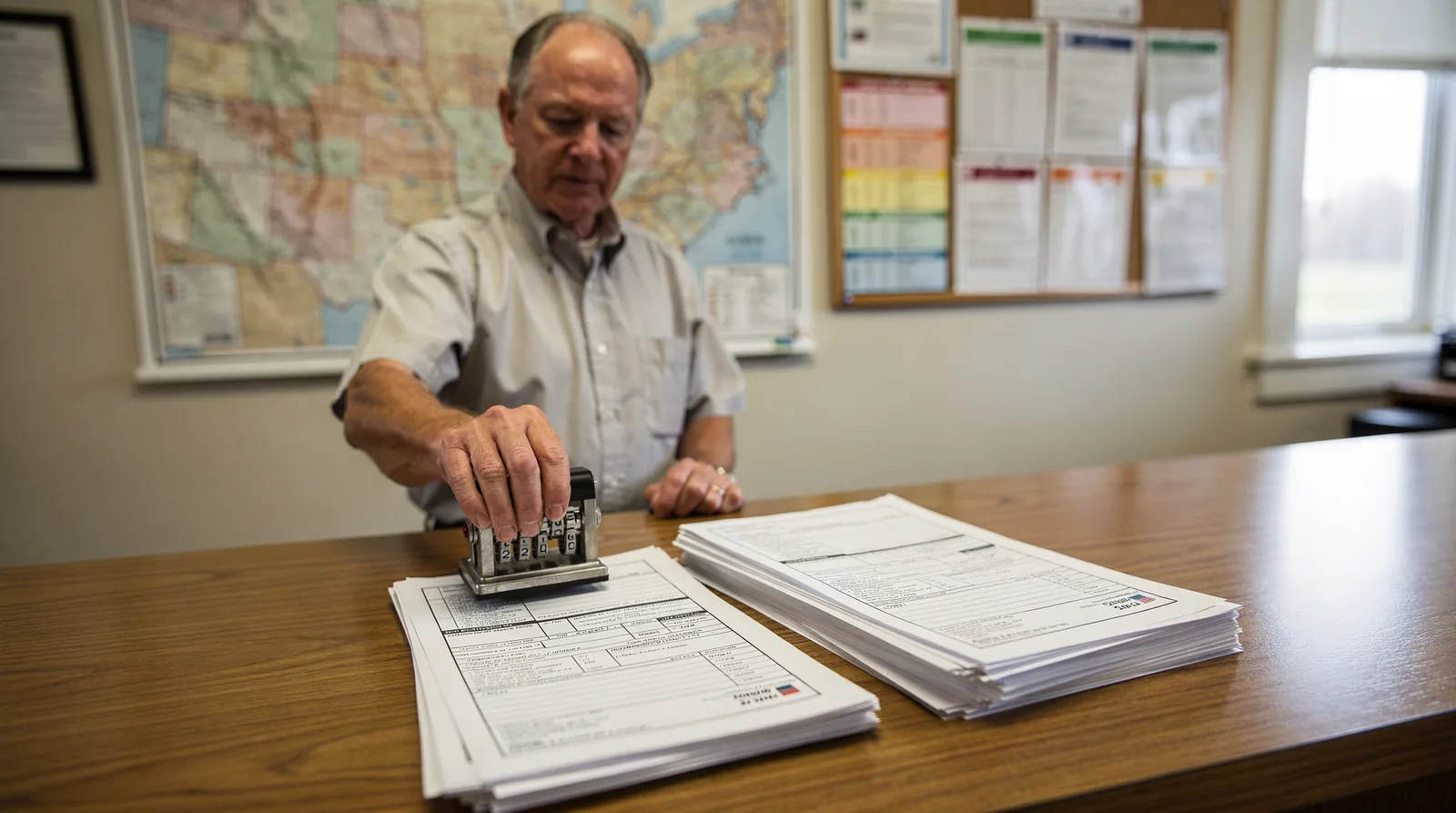
What Permits Does Gilmer County Require?
Gilmer County requires a valid 911 address before any septic permit application moves forward. Property buyers and homeowners planning new construction, a replacement system, or an added structure need this address on file first. The Gilmer County Health Department will not process an application without it. Skipping this step causes unnecessary delays for anyone eager to break ground.
A second requirement involves the physical site itself. The house, garage, or future pool location must be staked out at all four corners before the application gets submitted. This staking confirms the exact footprint of the structure, which lets health department staff evaluate soil conditions and drain field placement accurately. Property owners often overlook this step, only to have their application bounced back for correction.
Where does this process happen?
Applications and inspections for Gilmer County septic permits run through the Gilmer County Health Department’s Environmental Health Division, located in Ellijay. This office handles the review, approval, and inspection stages for every on-site sewage system permit in the county.
What does the typical permit checklist look like?
Secure a 911 address assigned to the property.
Stake out all four corners of the house, garage, or future pool site.
Submit the application to the Environmental Health Division in Ellijay.
Coordinate soil evaluation and site inspection before installation begins.
Secure a 911 address assigned to the property.
Stake out all four corners of the house, garage, or future pool site.
Submit the application to the Environmental Health Division in Ellijay.
Coordinate soil evaluation and site inspection before installation begins.
Homeowners working with an excavation contractor benefit when that contractor communicates directly with local health department staff. Coordination between installer and health officials keeps the permit and inspection timeline on track, reducing the chance of costly delays. For property owners navigating a new septic system installation for the first time, understanding these requirements upfront makes the entire process far less stressful.
How Does the Installation Process Work?
Installation moves through five distinct phases, each building on the last: site preparation, soil excavation, tank placement, drain field installation, and final grading. Skipping a step or rushing the sequence causes drainage failures years later, which means costly digging and repair work for the property owner. Understanding this progression helps Gilmer County homeowners ask better questions when vetting an installer.
Common septic tank installation questions GA homeowners raise often center on how contractors sequence the work and why soil conditions matter so much in Gilmer County’s clay-heavy terrain. Experienced excavation contractors bring decades of grading and excavation expertise to these projects, which matters because Gilmer County’s rocky, sloped lots demand careful equipment handling and precise depth control.
What Are the Main Steps in a Septic Installation?
The process typically follows this order:
Site preparation – clearing vegetation and staking the tank and drain field locations
Soil excavation – digging to the required depth based on soil type and site grade
Tank placement – setting the septic tank level and connecting inlet and outlet pipes
Drain field installation – laying perforated field lines that disperse treated wastewater
Final grading – restoring the surface so water sheds away from the system
Site preparation – clearing vegetation and staking the tank and drain field locations
Soil excavation – digging to the required depth based on soil type and site grade
Tank placement – setting the septic tank level and connecting inlet and outlet pipes
Drain field installation – laying perforated field lines that disperse treated wastewater
Final grading – restoring the surface so water sheds away from the system
Local contractors serving the Ellijay area install both new septic tanks and field line systems for residential. Commercial builds, following this same general framework regardless of property size.
What Happens If Existing Field Lines Are Damaged?
Replacement projects add a diagnostic step before excavation begins. Installers locate broken or leaking pipe using a sewer camera, pinpointing the failure without guesswork. This targeted approach reduces the amount of digging needed and speeds up repairs. Crews replace only the damaged section rather than the entire field line run.
Who Regulates Septic Systems in Georgia?
The Georgia Department of Public Health governs septic tank rules across the entire state, working through its Environmental Health Division. Gilmer County falls under this same statewide authority. That means every septic installation, whether for a new home site or a replacement system, must satisfy the standards set at the state level before local permitting can proceed.
Septic systems matter more in Gilmer County than in many parts of the state. A large share of properties sit beyond the reach of municipal sewer lines, especially in rural stretches and smaller residential pockets outside city limits. For those homeowners, a properly installed septic system is the only method available for treating household wastewater safely.
What does the Environmental Health Division actually check?
Inspectors review soil conditions, tank placement, and drain field design before signing off on a permit. Their job is protecting groundwater and public health, not simply approving paperwork. Any deviation from state standards can delay or void a permit application.
Do local installers need to know state rules, or just local ones?
Both. Installers working in Gilmer County must apply statewide Department of Public Health standards while also meeting any county-specific site requirements. Stewart Brothers Grading, a licensed excavation company based in Pickens County, Georgia, serves North Georgia communities including Gilmer County. Decades of grading and excavation experience help crews navigate these overlapping regulations correctly on the first attempt, reducing costly rework for property owners.
What Should You Ask Before Hiring an Installer?
Five questions separate a dependable installer from a risky bet: licensing, workmanship standards, ownership accountability, permit coordination, and range of services. Gilmer County property owners who skip these questions risk a system that fails inspection or wears out early, forcing costly repairs down the road.
Common septic tank installation questions GA buyers should raise start with credentials. Any installer working in Gilmer County should hold proper licensing and demonstrate experience with code-compliant septic system installation. A crew unfamiliar with Georgia’s environmental and safety regulations creates real exposure for the property owner, not just the contractor.
How does workmanship affect a septic system’s lifespan?
Quality workmanship and attention to detail determine how long a drain field and tank perform without backups or leaks. Installers who rush soil excavation or tank placement often leave hidden problems that surface years later. Asking about their process for grading, trenching, and connecting field lines reveals whether they build for longevity or speed.
Ownership structure matters too. A family-owned business often brings a personal stake in getting every job right the first time, rather than treating the installation as a one-off transaction.
Does the installer handle permits and inspections?
Coordination with the Gilmer County Health Department and local building officials should happen throughout the process, not just at the start. Confirm the installer manages inspection scheduling and paperwork directly.
Finally, ask what else the crew offers:
Land grading and leveling
Field line digging
Septic tank installation as part of one coordinated project
Land grading and leveling
Field line digging
Septic tank installation as part of one coordinated project
Bundling these services under one contractor often reduces scheduling gaps between site prep and final installation.
Septic tank installation requires careful planning, proper site assessment, and adherence to local regulations—considerations that demand experienced professionals. Whether you’re building new or upgrading existing systems, understanding these fundamentals protects your investment and ensures long-term functionality. Stewart Brothers Grading brings licensed expertise. Dependable service to excavation projects throughout Georgia, helping property owners navigate the complexities of septic system installation with confidence and precision.
FAQ
What permit do I need before installing a septic tank in Gilmer County?
Gilmer County requires a permit from the Health Department’s Environmental Health Division at 1 Broad Street, Suite 003, Ellijay, along with a 911 address, a soil scientist evaluation, and a licensed installer.
What are the main phases of septic tank installation?
Installation involves five coordinated phases: site preparation, soil excavation, tank placement, drain field installation, and final grading, which restores proper drainage away from the system.
Who handles compliance review for septic installations in Gilmer County?
Local health departments and building officials review installations against Georgia’s environmental and safety standards. Excavation crews coordinate directly with these offices based on soil testing and site conditions.
Conclusion
Septic tank installation in Gilmer County comes down to a few essentials: securing the right permits through the Health Department’s Environmental Health Division, following the five-phase installation process from site preparation through final grading, and confirming that any installer meets both state and county requirements. Terrain, soil conditions, and permit timelines all shape how a project unfolds, which is why homeowners benefit from asking direct questions about licensing, workmanship, and permit coordination before signing a contract.
Whether the project is a new construction, a replacement system, or an added structure, getting these fundamentals right upfront protects the investment and helps the system perform for years to come. Stewart Brothers Grading brings licensed, family-owned expertise to septic installations across Gilmer County, guiding property owners through permitting and installation with the same care given to every excavation project.