
Expert Septic Tank Installation Services in Cherokee County, GA: Reliable Solutions for Residential and Commercial Needs
Septic systems are essential for properties not connected to municipal sewer lines. For Cherokee County homeowners and businesses, a dependable, well‑installed septic tank is critical. This guide explains why qualified installers matter and outlines the installation steps, applicable regulations, maintenance options, permits, costs, and reasons to hire licensed contractors. Understanding these factors helps property owners maintain compliance and long‑term system performance.
Installation Process
Septic tank installation follows several key steps to ensure proper function and regulatory compliance. It begins with a site evaluation of soil, drainage and overall suitability. Next, required permits are obtained from local and state authorities. Once permits are secured, the physical installation work begins.
Key Steps in the Installation Process
- Site Evaluation: Assessing soil and drainage conditions to determine suitability for a septic system.
- Permit Acquisition: Securing the necessary local and state permits to ensure compliance with regulations.
- Excavation: Digging the site to accommodate the septic tank and drain field installation.
- Tank Placement: Installing the septic tank in the excavation and connecting it to the home’s waste plumbing.
The installation process can be intricate; hiring trained, licensed professionals is recommended. Stewart Brothers Grading provides experienced support to keep the project on schedule and compliant from start to finish.
Relevant Regulations
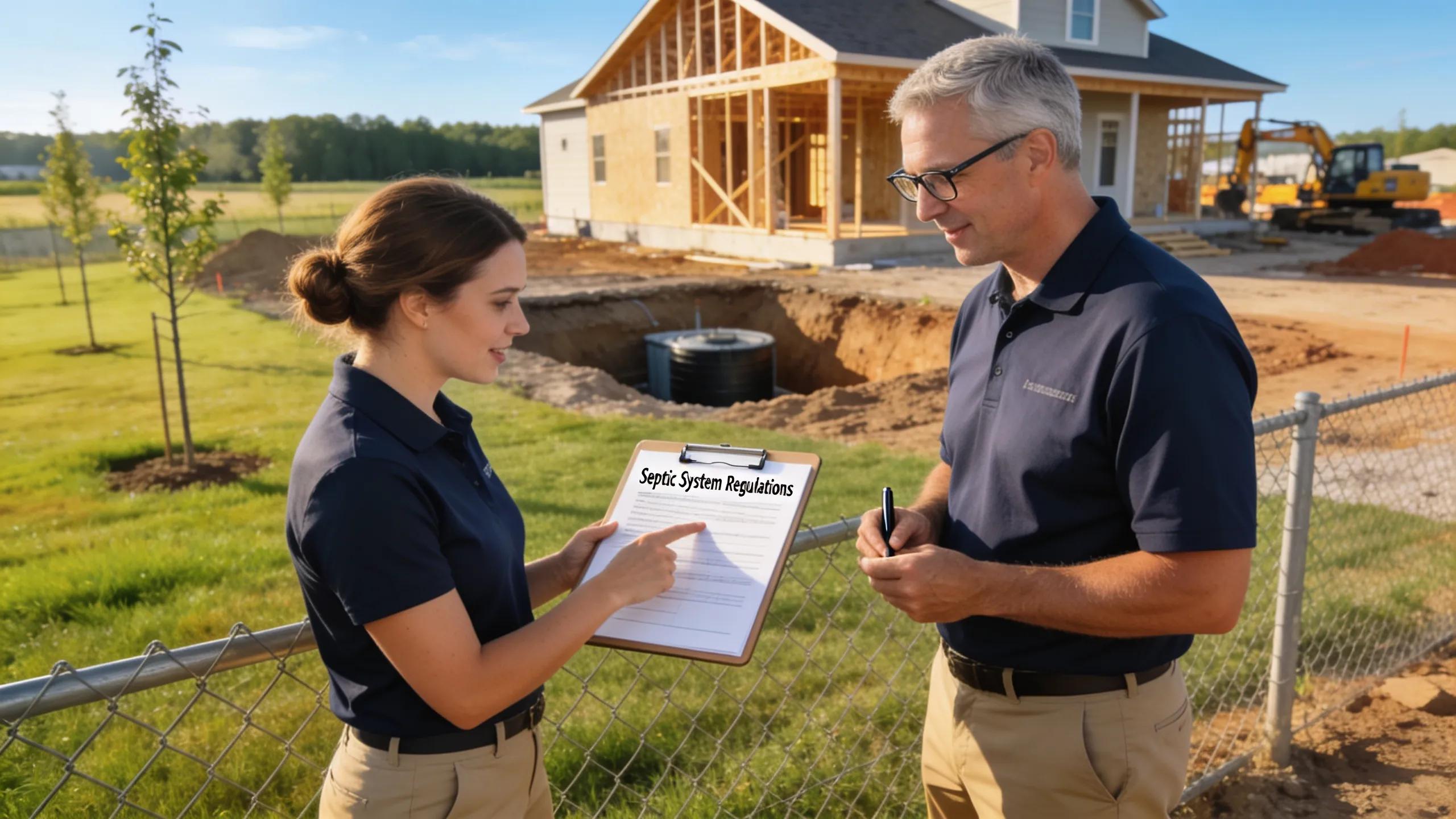
In Cherokee County, septic installations follow local and state rules designed to protect public health and the environment. Requirements cover setbacks from water sources, design standards and approved materials. Adhering to these regulations prevents legal issues and helps the system operate efficiently.
Maintenance Options
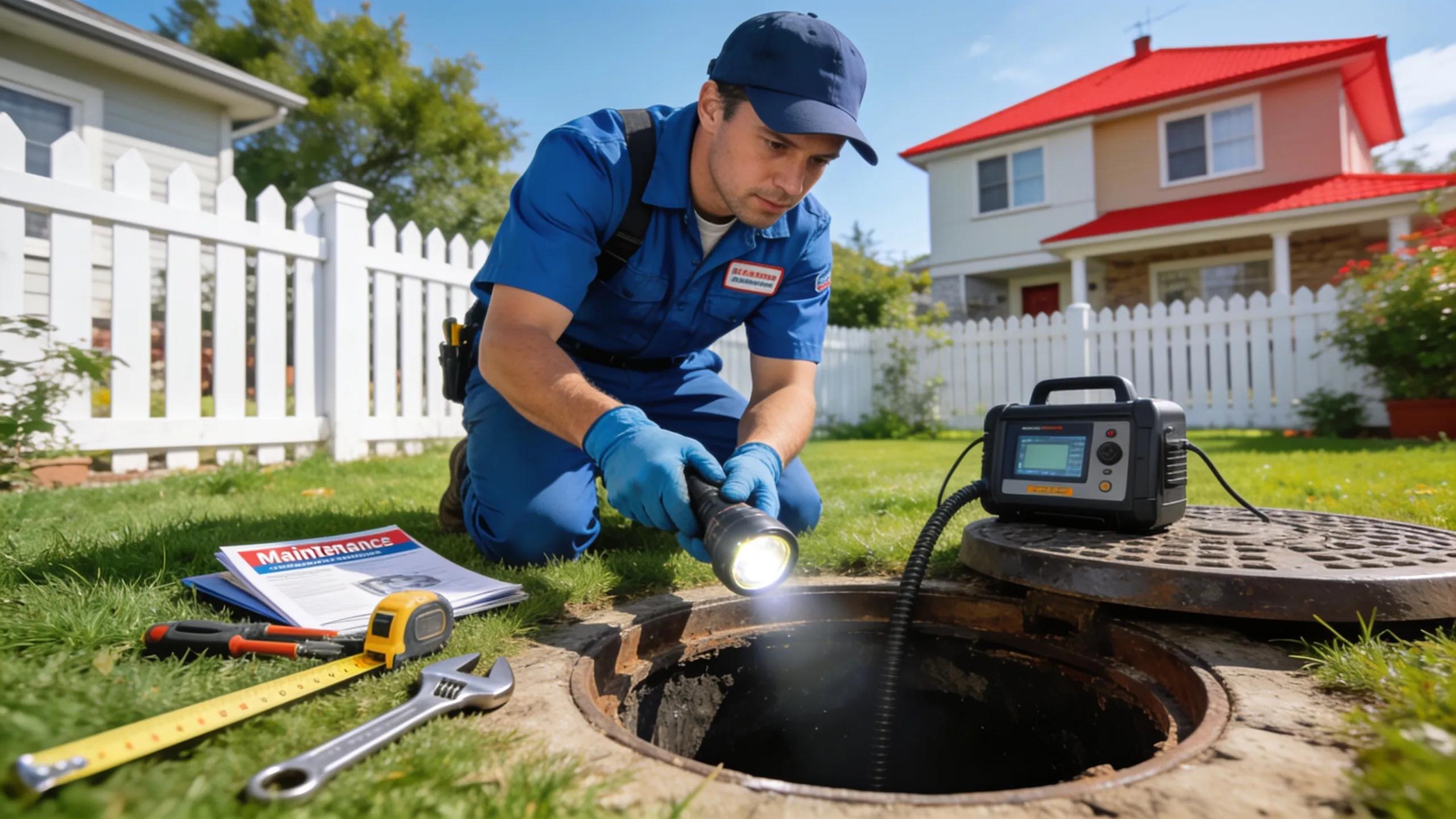
Routine maintenance preserves system lifespan and performance. Property owners should schedule regular inspections, pumping and repairs to avoid failures. Licensed contractors provide a variety of maintenance services, including:
- Routine inspections
- Pumping out the septic tank
- Emergency repairs
Hiring experienced contractors ensures proper care and reduces the risk of costly repairs later.
Why Choose Licensed Septic Contractors in Cherokee County for Your Installation?
Selecting a licensed septic contractor ensures quality installation and reliable performance. Licensing demonstrates compliance with local rules and gives property owners peace of mind. Licensed professionals also use current installation methods and technologies to deliver efficient results.
What Credentials and Experience Should You Expect from Local Septic Experts?
When evaluating local contractors, check licensing and field experience. Proper licensing confirms state compliance; experience shows familiarity with Cherokee County soils and codes. Family‑owned firms like Stewart Brothers Grading often earn community trust through consistent, dependable work.
How Does Stewart Brothers Grading Ensure Dependable and Professional Service?
Stewart Brothers Grading focuses on septic installation and maintenance, delivering prompt, professional service from licensed professionals. Their team manages projects with attention to detail and coordinates with local authorities to meet regulatory requirements. Their experience with excavation and installation supports efficient, reliable outcomes.
What Are the Key Steps in the Septic Tank Installation Process in Cherokee County?
Knowing the installation steps helps clients plan. The process generally includes:
- Initial Site Evaluation: A comprehensive assessment of land suitability.
- Permitting: Acquiring necessary permits from local authorities.
- Excavation: Digging the site to prepare for the tank and drain fields.
- Installation: Correctly placing the septic system components.
Each step helps ensure the system functions efficiently and complies with legal requirements.
How Is Land Clearing and Site Preparation Managed for Optimal Septic Installation?
Effective land clearing and site preparation remove debris and obstacles that could impede installation. A detailed site evaluation identifies suitable clearing methods, and excavation is adapted to the specific soil and environmental conditions found in Cherokee County.
What Is the Typical Timeline for Residential and Commercial Septic Installations?
Timelines vary by project complexity, permit timing and weather. Residential installations typically take 1–3 days from start to finish, while commercial projects often require additional time due to greater scope. Clients should consult their contractor for realistic schedules.
How Do Permits and Local Regulations Impact Septic Tank Installation in Cherokee County, GA?
Permits define the legal scope for septic work and set standards that protect public health and the environment. Cherokee County regulations influence tank design and placement, and local inspections at key stages verify compliance with those standards.
What Are the Required Permits for Septic Installation in Cherokee County?
Before work begins, homeowners must secure specific permits, including:
- Septic System Permit: Required from local health departments.
- Land Disturbance Permit: Necessary for site clearing and excavation.
- Construction Permit: May be required based on the extent of land modification.
Securing these permits confirms the installation meets applicable codes and regulations.
How Does Compliance with Environmental and Health Standards Protect Your Property?
Following environmental and health standards protects public safety and shields owners from legal risks. Proper installation and maintenance reduce pollution risk and protect water sources. Compliance supports community health and preserves property value.
What Factors Affect Septic Tank Installation Costs in Cherokee County and North Georgia?
The cost of septic tank installation is influenced by several factors, including:
- Soil Condition: Different soil types may require additional excavation and special installation techniques.
- System Design: Larger or more complex systems inevitably increase costs.
- Location Accessibility: Sites that are difficult to access may require additional labor or machinery.
Understanding these factors helps clients budget accurately for installation.
Which Variables Influence Residential Versus Commercial Septic System Pricing?
Residential septic systems generally possess a simpler structure compared to commercial systems, which may involve more extensive configurations and compliance measures. Key pricing differences include:
- Installation Requirements: Residential systems typically face fewer regulations.
- System Size: Commercial systems may need to accommodate a larger volume of waste, affecting costs.
- Maintenance Needs: Commercial systems may require more frequent maintenance due to higher usage levels.
Recognizing these distinctions helps property owners anticipate costs accurately.
How Do Material Supply and Inflation Impact Installation Expenses?
Material availability and inflation affect installation costs. Prices can change with material supply and labour rates. Staying informed about market conditions helps clients plan budgets.
How Can You Maintain and Repair Your Septic System for Long-Term Reliability?
Maintaining a septic system involves regular inspections and timely repairs. Regular practices include:
- Scheduling inspections every 1-3 years.
- Pumping the tank every 3-5 years, depending on usage.
- Monitoring water usage to prevent overloading the system.
Engaging licensed contractors for inspections, pumping and repairs ensures issues are addressed promptly and the system remains reliable long term.
What Regular Maintenance Practices Do Licensed Contractors Recommend?
Regular inspections and maintenance ensure that a septic system operates effectively. Recommended practices include:
- Pump Out the Tank: Conducting every 3-5 years to prevent buildup.
- Check for Leaks: Regularly inspect the drainage field.
- Monitor Water Use: Limit excessive water flow to maintain system integrity.
These practices extend system life and reduce the likelihood of costly repairs.
When Should You Schedule Septic System Repair Services in North Georgia?
Signs that indicate a need for repair services include:
- Gurgling sounds from pipes or drains.
- Foul odors around the septic tank or drain field.
- Frequent backups in household plumbing.
Homeowners should schedule repairs at the first sign of these symptoms to prevent larger problems.
How to Get a Free Estimate and Consultation for Septic Installation in Cherokee County?
Homeowners can obtain a free estimate for their septic installation by contacting licensed contractors directly. It is advised to:
- Prepare relevant property information, including the site’s soil type and size.
- Ask about the contractor’s experience and specific services offered.
- Inquire about different septic system options based on property needs.
Contacting Stewart Brothers Grading provides tailored guidance for your property.
What Information Should You Prepare Before Contacting Stewart Brothers Grading?
Before reaching out to Stewart Brothers Grading for estimates, homeowners should prepare the following information:
- Property Legal Descriptions: Ensuring accurate site identification.
- Soil Testing Reports: If available, this helps contractors assess system viability.
- Previous Septic System Histories: Any history of existing systems will be beneficial.
Having these documents ready improves consultations and speeds the planning process.
How Does a Personalized Consultation Improve Installation Planning?
Personalized consultations allow clients to discuss their specific needs and site conditions. This tailored approach ensures that:
- The proposed solution aligns with local regulations.
- Homeowners understand the installation process thoroughly.
- Effective planning is established to address potential challenges.
Personal consultations produce tailored plans, align solutions with regulations, and clarify the installation process, leading to informed decisions and greater satisfaction.
Frequently Asked Questions
1. What signs indicate that my septic system may need repairs?
Gurgling drains, foul odours near the tank or drain field, and frequent backups indicate repairs are needed. Arrange professional service promptly to avoid more extensive damage and higher costs.
2. How often should I have my septic system inspected?
Have your system inspected every 1–3 years, depending on its size and household usage. Regular checks catch problems early and help maintain efficiency.
3. What factors should I consider when choosing a septic contractor?
Check a contractor’s licence and insurance, local experience, and customer reviews. Confirm their knowledge of local regulations and that they provide both installation and maintenance services.
4. Can I perform maintenance on my septic system myself?
Homeowners can monitor water use and avoid harmful practices, but licensed professionals should perform inspections and pumping. Incorrect DIY work can cause major issues or environmental harm.
5. What are the environmental impacts of improper septic system installation?
Incorrect installation can contaminate groundwater, pollute surface waters and create public health risks. Professional, compliant installation prevents waste from entering the environment.
6. How does soil type affect my septic system installation?
Soil type affects feasibility and system design. Soils with good drainage suit septic systems, while clay or rocky soils may pose challenges. A thorough soil evaluation determines the appropriate system and installation method.
7. What types of septic systems are available for homeowners?
Options include conventional systems, mound systems, aerobic treatment units and drip distribution systems. The ideal choice depends on property size, soil conditions and local regulations; consult a licensed contractor for selection guidance.
Conclusion
Proper septic installation ensures safe wastewater management and improves life quality for homeowners and businesses. Understanding installation steps, local regulations and maintenance needs helps owners keep systems efficient and compliant. For expert, tailored guidance, contact licensed professionals. Learn how Stewart Brothers Grading can assist with your septic installation needs.